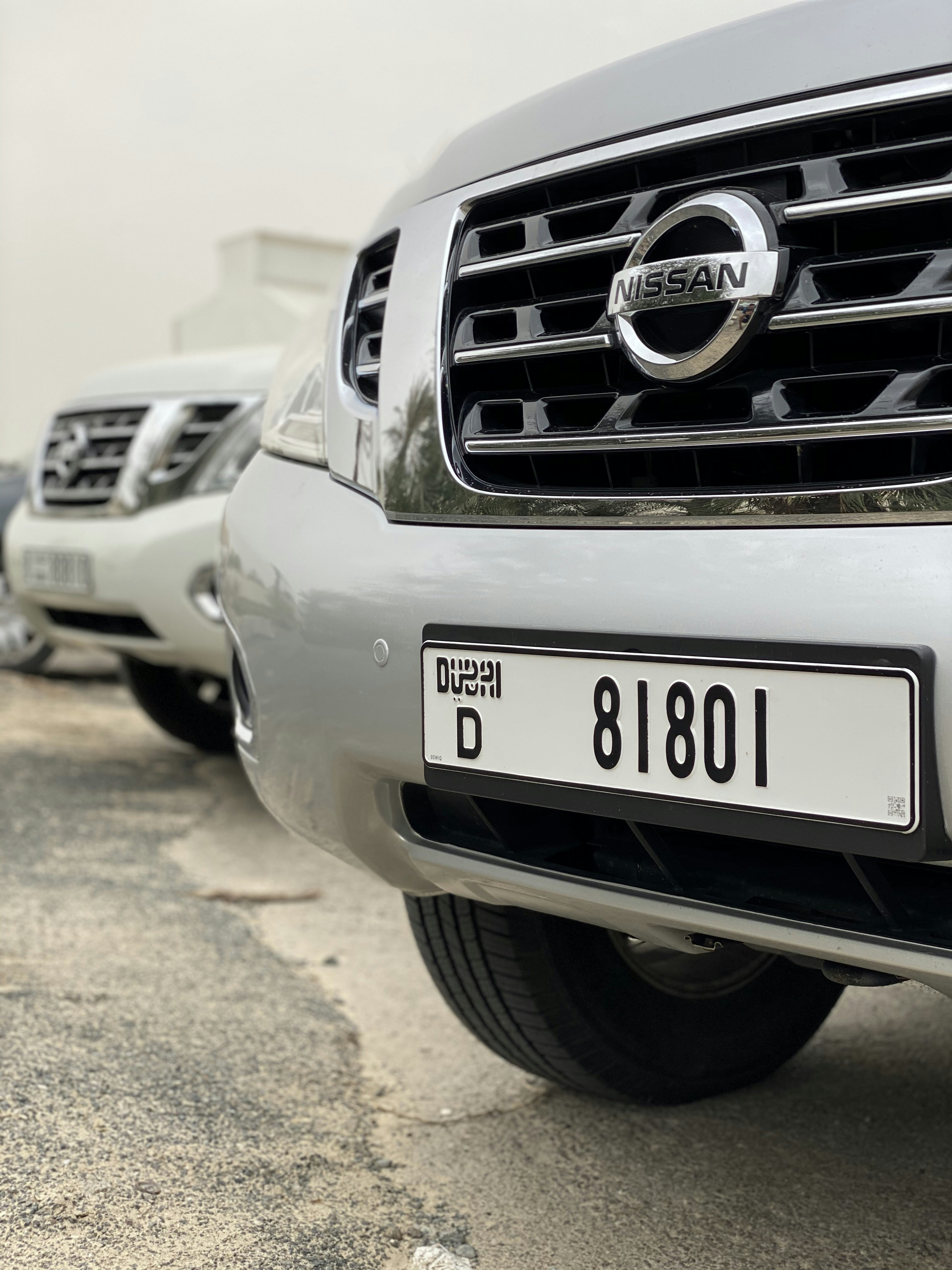
Introduction to Car Plates in Dubai
In Dubai, car plates are more than mere regulations; they serve as a vital aspect of the transportation system and hold significant cultural importance. Each vehicle is assigned a unique license plate that not only facilitates identification but also reflects the individuality of the owner. The design and numbering of these plates can often indicate wealth and status within the Emirate, contributing to a culture where luxury and prestige are deeply intertwined with automotive ownership.
Dubai’s car plate system is renowned for its variety, which includes different categories ranging from standard plates to prestigious, unique plate numbers that can reportedly fetch millions at auction. The latter type, often characterized by single-digit or two-digit numbers, is highly sought after, further emphasizing the status symbol that car plates represent. In this context, owning a distinctive plate can be equated with exclusivity and social standing, driving many residents to engage in competitive bidding for these coveted items.
The cultural perception of car plates in Dubai extends beyond individual ownership. These plates are intertwined with the identity of the Emirate itself, reflecting its blend of tradition and modernity. In a city renowned for its luxurious lifestyle and cutting-edge developments, the license plate has become a canvas for self-expression, representing personal success and social aspirations. Moreover, with events such as car plate auctions streaming considerable interest both locally and internationally, the significance of car plates in the region continues to evolve, offering a glimpse into the desires and values that shape Dubai’s society.
Types of Car Plates in Dubai
In Dubai, the car plate system is uniquely structured to cater to different categories, including standard plates, special edition plates, and unique or customized plates. Each type serves distinct purposes and appeals to varying preferences among vehicle owners. Understanding these categories is essential for anyone interested in the automotive culture of the emirate.
Standard plates in Dubai are issued to the general public and are the most commonly used. These plates typically contain a combination of letters and numbers, with the number of digits varying based on the plate’s classification. The standard design includes Arabic numerals and letters, emblazoned on a white background, augmenting the legibility of the information. Issuance of these plates is generally based on the vehicle’s registration and follows a straightforward process, contributing to uniformity across vehicles.
Special edition plates, on the other hand, are designed to commemorate significant events or celebrate local culture and heritage. They often feature eye-catching designs and are sought after by collectors and enthusiasts alike. Additionally, these plates may include specific sequences of numbers that hold special significance, often related to religious or cultural symbols. These unique features imbue owners with a sense of pride and distinction.
Another intriguing category is the unique or customized plates, which allow owners to create a personalized message or select a specific combination of digits. These plates can reflect the owner’s personality, interests, or even an important date, making them particularly desirable among those who seek to stand out on the road. The customization process not only offers a personal touch but also contributes to the dynamic aesthetic of Dubai’s automotive environment.
In summary, the diversity of car plates in Dubai, from standard to special edition and customized options, showcases the city’s rich automotive culture and offers everyone the opportunity to express their individuality on the road.
Legal Regulations Surrounding Car Plates
In Dubai, the legal framework governing car plates is designed to ensure compliance, safety, and efficient management of vehicle registration. All vehicles operating on public roads in the emirate must be registered with the Roads and Transport Authority (RTA), which oversees the issuance of car plates. The registration process requires potential vehicle owners to provide necessary documentation, including proof of identity, residency, and vehicle ownership. Additionally, the vehicle must pass a technical inspection before it can be registered.
The registration of a vehicle in Dubai is not a one-time process; it necessitates periodic renewal. Typically, the registration must be renewed annually, and vehicle owners receive a notification from the RTA before the expiration date. This renewal entails a verification of the vehicle’s condition, and any fines or traffic violations must be settled prior to the renewal. Failure to renew registration can incur penalties and result in fines that increase over time. Notably, driving an unregistered vehicle can lead to substantial legal repercussions, including impounding of the vehicle.
When it comes to purchasing or selling a vehicle, the car plates must also be taken into account. The current owner is responsible for the transfer of the vehicle registration and its associated car plates to the new owner. This transfer process involves submitting specific documents to the RTA, including the original registration card, a valid Emirates ID, and completion of any outstanding fines. Buyers should ensure that the car plates are cleared of any legal burdens; otherwise, hidden penalties may arise after the transfer.
In summary, navigating the legal regulations surrounding car plates in Dubai requires an understanding of the registration processes, renewal timelines, and the consequences of non-compliance. It is critical for both vehicle owners and prospective buyers to be well-informed to avoid any legal issues that could arise from improper handling of car plate registration.
Dubai Car Plate Auction Overview
The car plate auction scene in Dubai is a vibrant and competitive market, drawing enthusiasts and collectors from around the globe. These auctions serve as a platform for individuals to bid on desirable and unique vehicle registration plates, often characterized by distinctive letters or numbers that reflect personal significance or status. The allure of owning a special car plate has propelled these auctions to immense popularity, where bidders seek exceptional plates that can appreciate in value over time.
Participants in these auctions must first register with the relevant authority, which organizes these events, such as the Roads and Transport Authority (RTA) in Dubai. Once registered, bidders can participate either through direct attendance or via online platforms, introducing an accessible channel for those who cannot be physically present. The bidding process typically unfolds in a dynamic and competitive environment, with participants sometimes driving the prices to astonishing heights, especially for single-digit or notable plates. Plates with meanings or significant numbers often attract high-profile bidders, enhancing the prestige associated with car ownership.
The types of plates available at these auctions vary widely, ranging from standard registration plates to exclusive, limited-edition offerings. Commonly auctioned plates may include those featuring popular Arabic letters and numbers, while unique combinations or personal initials garner higher bidder interest. As such, the auction format allows the market to determine the value of each plate through the competitive bidding process, resulting in sales that can reach staggering amounts. This lively aspect of Dubai’s culture not only reflects the city’s affluence but also showcases an interesting intersection of identity, tradition, and modernity.
High-Value Car Plates: Status and Rarity
In Dubai, car license plates have transcended their functional purpose, evolving into symbols of wealth, prestige, and personal identity. The phenomenon of high-value car plates is remarkably pronounced, as certain plates reflect not only a unique combination of letters and numbers but also historical and cultural significance. Collectors and enthusiasts alike seek plates that stand out, often characterized by their rarity, unique configurations, or connections to illustrious events.
One of the most notable aspects of high-value plates is their auction prices, which can soar into the millions. For instance, the infamous plate “1” was sold for an astounding AED 40 million at a public auction, making it one of the most expensive license plates in the world. This demand is driven by various social factors, including the status associated with owning such distinctive plates. In a city where luxury is a lifestyle, possessing a high-value plate signifies exclusivity and can enhance one’s social standing.
Moreover, the rarity of certain configurations also contributes significantly to their market value. Plates with fewer digits, repeating numbers, or prestigious initials command higher prices. Additionally, specific numbers are culturally significant within the Emirati context; for example, the number “7” is considered auspicious, which can inflate its demand among collectors.
The desirability of these unique plates has created a thriving marketplace where collectors vie for ownership in one of the world’s most competitive auction environments. As the demand continues to grow, these plates forge an undeniable connection between automobile culture and social stratification within Dubai. Overall, the interplay of cultural significance, historical context, and personal aspiration propels the perceived value of high-value car plates, ultimately making them coveted possessions in the emirate.
How to Obtain a Car Plate in Dubai
Obtaining a car plate in Dubai is a systematic process that can vary depending on whether one is purchasing a new vehicle or acquiring a license plate at auction. For first-time car owners, understanding the necessary steps is essential to ensure a smooth experience.
The first step in acquiring a car plate involves selecting a registered dealership if purchasing a new vehicle. The buyer will need to provide identification documents, such as a valid Emirates ID and a driving license. Additionally, proof of residency may be required to ensure compliance with local regulations. Once the vehicle is chosen and the sale is completed, the dealership will typically assist in securing the car plate by submitting the necessary paperwork to the relevant authorities.
If one opts to obtain a license plate via auction, the process is somewhat different. Potential bidders must first register with the auction authority, which is often conducted through the Roads and Transport Authority (RTA) of Dubai. Interested participants should gather necessary documentation, including a valid ID and proof of funds to demonstrate their ability to pay for the winning bid. Interestingly, car plate auctions in Dubai can feature unique and prestigious numbers, making this option appealing to many collectors.
Once registered for the auction, participants can attend the event, either in person or online, depending on the auction’s format. Successful bidders will be required to pay the auction fees, which vary based on the plate’s desirability, followed by formal registration of the plate. After payment, the car plate will be issued, allowing the owner to affix it to their vehicle legally.
Overall, whether through a dealership or at an auction, obtaining a car plate in Dubai is a straightforward process provided that all required documents are prepared and submitted correctly. Understanding the specific steps involved can alleviate concerns for potential car owners, ensuring that they are well-informed and ready to navigate the process.
Personalization and Customization of Car Plates
In Dubai, the personalization and customization of car plates have become a popular practice among residents and vehicle enthusiasts alike. The emirate’s residents can craft unique identifiers for their vehicles that reflect their individuality or convey specific messages. This trend highlights not only personal style but also a desire for exclusivity, as unique license plates can sometimes serve as status symbols within the community.
The process for customizing a car plate in Dubai generally involves several steps. Firstly, individuals can choose different combinations of letters and numbers, which are then submitted for approval. However, it is crucial to note that there are certain restrictions in place concerning the acceptable characters and their arrangement. For instance, offensive words or any combinations deemed inappropriate by the licensing authorities are strictly prohibited. Consequently, applicants must navigate these regulations carefully to ensure their desired configuration complies with legal standards.
The fees for personalized license plates can vary significantly based on the complexity and desirability of the chosen configuration. Generally, the more exclusive or unique the plate, the higher the associated costs. This pricing structure can make personalized plates a luxury item, appealing to a select demographic within Dubai. In some instances, particular combinations may become highly sought after, leading to competitive bidding during auctions, thereby driving up their value.
Moreover, personalized car plates in Dubai also hold cultural significance. They are often associated with status and wealth, as certain combinations can represent lucky numbers or family initials. Such personalized identifiers not only allow individuals to showcase their personal taste but also contribute to a sense of identity and belonging in a vibrant city like Dubai. This blend of individuality and cultural resonance makes customized car plates a noteworthy aspect of the roadscape in the emirate.
The Future of Car Plates in Dubai
The landscape of vehicle identification in Dubai is on the brink of transformation, driven by advancements in technology and evolving cultural trends. As the city continues to lead the way in innovation, the future of car plates is poised to integrate digital solutions that promise enhanced functionality and convenience. Digital license plates are among the most anticipated innovations, offering features such as real-time tracking, automated registration renewals, and displays for emergency messages or notifications. This not only provides a quasi-dynamic experience for motorists but also facilitates better communication with law enforcement and traffic management systems.
Beyond digital plates, there are discussions surrounding the integration of artificial intelligence and the Internet of Things (IoT) in vehicle identification. These technologies could allow for seamless interaction between vehicles and their surroundings, potentially transforming how car plates are utilized. For instance, future innovations might incorporate biometric recognition systems, where a vehicle’s identity is verified using biometric data associated with the owner. This automated process could enhance security measures and reduce vehicle theft rates.
Cultural trends in Dubai are also evolving, which impacts the future of car plates. The increasing demand for personalization reflects a shift toward unique vehicle identities. Customizable digital plates would allow owners to showcase their individuality, embracing the cultural emphasis on luxury and exclusivity that characterizes Dubai. Furthermore, as electric and autonomous vehicles become more prevalent, the design and utility of car plates may adapt to align with these trends, creating more streamlined identifiers that resonate with advanced automotive technologies.
In light of these potential changes, the future of car plates in Dubai is not only about maintaining vehicle identification standards but also about embracing innovation and personalization. The city’s commitment to modernization positions it as a pioneer in redefining what vehicle registration means in a rapidly advancing world.
Conclusion: The Significance of Car Plates in Dubai
In examining the multifaceted nature of car plates in Dubai, it becomes evident that these unique identifiers serve a dual purpose that extends beyond mere functionality. As a fundamental aspect of automotive regulation, car plates in Dubai are essential for identifying vehicles and ensuring compliance with local laws. However, they simultaneously embody a deeper cultural significance, reflecting not only the owner’s identity but also their social standing within the vibrant Emirati society.
The diverse array of car plate designs, from the standard formats to the highly sought-after unique or low-numbered plates, underscores the cultural nuances associated with vehicle ownership in Dubai. These plates often act as symbols of prestige, with certain combinations or numbers fetching exorbitant prices at auctions, signifying rarity and desirability. The auction culture surrounding car plates in Dubai showcases an intriguing intersection of finance, status, and local traditions, making it a fascinating topic for both residents and visitors alike.
Furthermore, the emotional connection that many individuals have with their vehicle registration numbers cannot be overlooked. The choice of a car plate is often a reflection of personal values, tastes, or aspirations, adding an additional layer of significance. In this sense, car plates in Dubai are not just functional items; they represent the intersection of identity, wealth, and cultural heritage, affirming their importance in the daily lives of those who inhabit this dynamic city.
As we delve deeper into the nuances of car plates in Dubai, it becomes clear that appreciating their diversity and significance enhances our understanding of the cultural fabric of the UAE. From being mere legal identifiers to prestigious emblems, car plates deserve recognition for their role in shaping social identity and status within this remarkable society.