Introduction
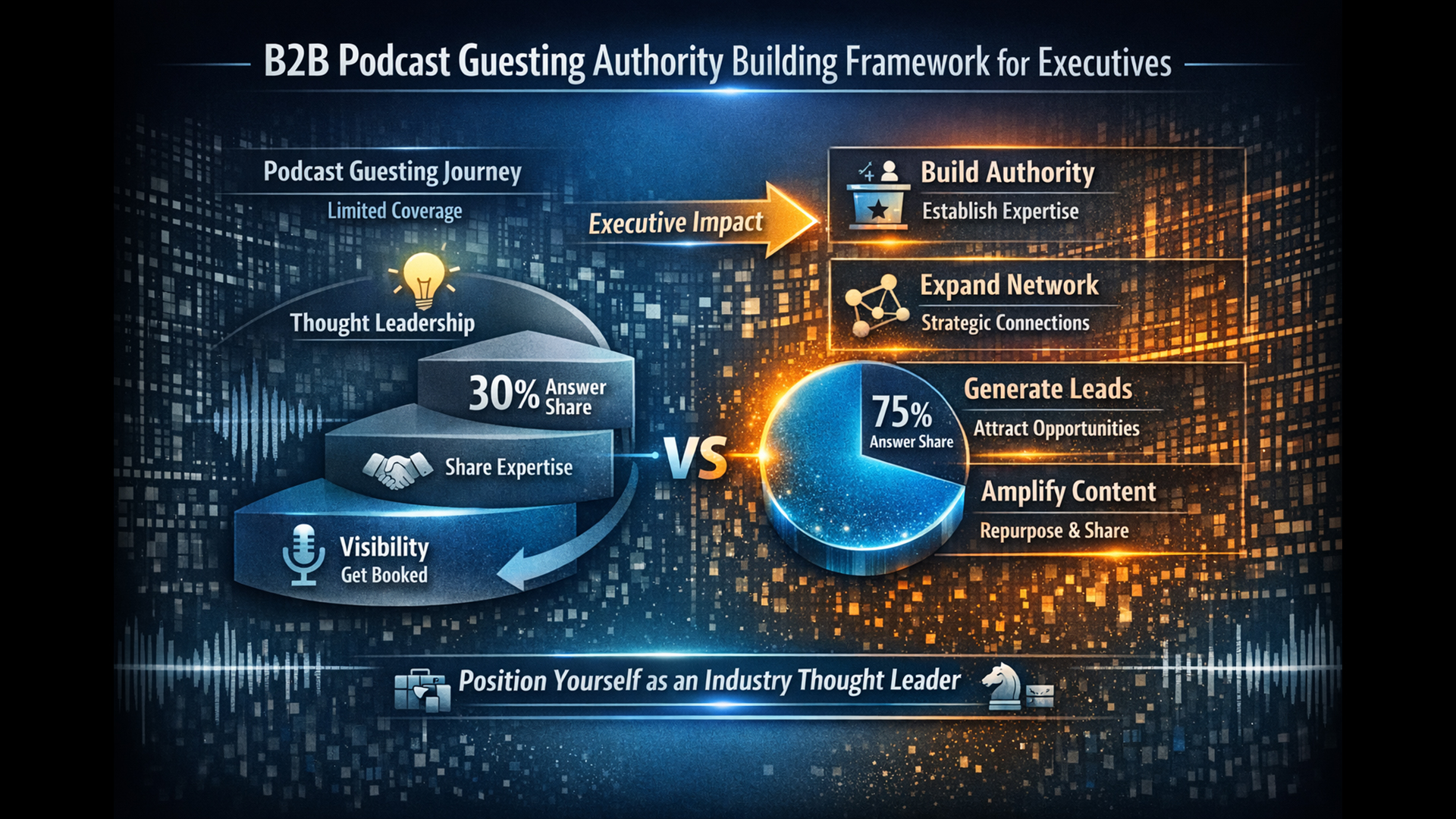
In today’s digital landscape, B2B podcast guesting has emerged as a vital tool for executives aiming to enhance their authority and credibility within their industries. As a method of communication that resonates powerfully with audiences, podcasts allow executives to share their insights, experiences, and knowledge in a more personal and engaging manner. Through guest appearances on relevant podcasts, B2B leaders can effectively position themselves as thought leaders, gain exposure to new audiences, and foster valuable relationships with fellow industry professionals.
One of the primary objectives of this blog post is to provide a comprehensive framework for executives seeking to leverage podcast guesting as a strategy for authority building. This framework will guide you through the essential aspects of selecting the right podcasts, preparing impactful content, and delivering compelling performances that resonate with listeners. By embracing the art of podcast guesting, executives can amplify their voice and ensure that their perspectives contribute meaningfully to their respective sectors.
The benefits of podcast guest appearances for B2B executives extend beyond simply gaining visibility. By participating in influential conversations, executives can enhance their personal brand, establish trust with potential clients, and drive engagement in their areas of expertise. As the podcasting medium continues to grow, it presents a unique opportunity for executives to showcase their knowledge and insights, ultimately leading to strengthened credibility and influence in their industry. In this blog post, we will delve deeper into the various elements that contribute to successful podcast guesting and how executives can effectively utilize this approach to build their authority.

Understanding the B2B Podcast Landscape
The B2B podcast landscape has evolved dramatically in recent years, creating a unique environment for executives to share their insights and expertise. Podcasts have emerged as an influential medium, allowing businesses to engage with their target audiences in a more intimate and accessible manner. This rise in popularity can be attributed to several factors, including the increasing demand for on-the-go content and the effectiveness of podcasts in building brand awareness.
Popular formats of B2B podcasts vary widely, ranging from interview-style shows to narrative-driven content. Interview-format podcasts are particularly effective for executives, as they provide an opportunity to share experiences and insights while positioning themselves as thought leaders within their industry. Meanwhile, narrative-driven podcasts often succeed in storytelling, presenting case studies or success stories that resonate with listeners. Understanding these formats is crucial for executives seeking to leverage their expertise in a way that aligns with their brand and audience expectations.
Trends in the B2B podcast realm indicate a growing focus on niche topics and specialized content. Executives can benefit from identifying specific areas of interest within their industry to ensure that their contributions are both relevant and targeted. This tailored approach not only enhances listener engagement but also fosters a deeper connection between the executive’s brand and its audience. Moreover, audience demographics reveal a diversified listener base, encompassing individuals from various professional backgrounds and levels. By recognizing the diversity within podcast audiences, executives can better tailor their messages to resonate with different segments of their target market.
In conclusion, the B2B podcast landscape offers a wealth of opportunities for executives to connect with their audiences and establish authority. By understanding the popular formats, current trends, and audience demographics, executives can effectively navigate this medium and enhance their influence in their respective industries.
Identifying Target Podcasts
For executives seeking to boost their authority and visibility through podcast guesting, the first step is identifying the right podcasts to target. This involves several strategic considerations to ensure alignment with both the intended audience and the executive’s brand messaging.
Begin by researching the podcast landscape relevant to your industry. Utilize platforms such as Spotify, Apple Podcasts, and Google Podcasts, which provide various tools to browse and search for shows by categories and keywords. Pay attention to the demographic details of the podcast’s audience to determine suitability. Are the listeners engaged professionals within your sector? This ensures that your message resonates with those who matter most.
Once potential podcasts are identified, evaluate their quality. Look for shows that boast a substantial listener base and high engagement levels, such as consistent ratings, reviews, and social media interactions. High-quality podcasts typically feature well-known guests and have robust production standards, ensuring that your appearance will be taken seriously and recognized within your industry.
Assessing alignment with your brand values is essential as well. Listen to several episodes to grasp the host’s tone, interview style, and the general themes that dominate the podcast. Consider whether these align with your communication strategy and corporate identity. If the podcast addresses topics or employs language that diverges significantly from your brand values, it may not be the right fit.
Lastly, examine the potential for engagement with the audience post-appearance. Will listeners get an opportunity to connect with you or learn more about your services? Choose podcasts that provide a platform for follow-up through websites, social media, or community initiatives. By meticulously selecting the right podcasts, executives can leverage guest appearances as a powerful tool to enhance their professional profiles.
Crafting a Compelling Pitch
When seeking to secure a guest appearance on a podcast, understanding how to craft a compelling pitch is paramount. A well-structured pitch not only showcases your expertise but also highlights the unique value you bring to the podcast’s audience. To begin with, you should clearly identify the particular strengths and experiences that make you a suitable guest for the show.
One effective way to express your expertise is by providing specific examples of your professional achievements or insights that align with the podcast’s theme. Tailor your narrative to emphasize how your knowledge can enrich the conversation and offer actionable insights to listeners. Moreover, it is essential to demonstrate your understanding of the podcast’s audience. Research the demographics and interests of its listeners to ensure that your proposed topics resonate with them.
In addition to showcasing your expertise, it is crucial to articulate what you can bring to the table. Highlight unique perspectives or experiences that differentiate you from other potential guests. This could involve discussing trends you have observed in your industry or sharing case studies from your professional journey that might interest the podcast’s audience.
Moreover, your pitch should convey enthusiasm and a willingness to engage. Host your message in a professional tone while still allowing your personality to shine through, as authenticity plays a significant role in podcasting. Lastly, don’t forget to include any relevant social media links or other platforms where the hosts can learn more about you and your work. With a polished, engaging pitch that emphasizes your expertise and unique insights, you can increase your chances of being selected as a podcast guest.

Preparing for Your Podcast Appearance
When preparing for a podcast guest appearance, executives should approach the task methodically to ensure a polished and impactful delivery. Firstly, it is imperative to research the podcast thoroughly. Understanding the host’s style and format can significantly influence how one presents their perspectives. Reviewing several previous episodes will provide insights into the kinds of questions that are typically asked, as well as the topics that resonate most with listeners.
Equally important is gaining an understanding of the podcast’s audience. Knowing who listens to the podcast can help tailor the messaging accordingly. This involves deciphering the demographics, interests, and pain points of the audience. This knowledge allows executives to frame their key messages in a way that speaks directly to listener concerns, establishing a more meaningful connection during the conversation.
Practicing key messages and talking points is another crucial step in the preparation process. Crafting succinct points that align with audience interests while also showcasing personal expertise will enhance credibility. Consider employing techniques such as storytelling to make points more engaging, as real-world examples can help illustrate complex concepts. Recording practice sessions and seeking feedback from colleagues can be beneficial, enabling one to refine delivery and identify any areas for improvement.
Additionally, executives should prepare for potential questions by anticipating what may arise based on their industry expertise and the podcast’s theme. This proactive approach not only boosts confidence but also ensures that responses are thoughtful and well-articulated. Ultimately, thorough preparation will empower executives to maximize their impact as guests, driving engagement and interest from the podcast audience.
Delivering Value During Your Appearance
When participating in a podcast, particularly in a B2B context, the primary goal should be to deliver value that resonates with the audience. This can be achieved through several strategic approaches, allowing you to leverage your expertise effectively.
Firstly, storytelling plays a critical role in engaging the audience. Rather than presenting a series of facts and statistics, weave your insights into a narrative. This not only makes the content more relatable but also enhances retention. Sharing personal experiences or case studies can illustrate the impact of your ideas, making them more tangible for listeners.
Engagement is another vital aspect of delivering value during your appearance. Throughout the podcast, make an effort to connect with listeners by addressing their potential questions or concerns. Use inclusive language such as “you” and “we,” which can foster a sense of community and involvement. Additionally, consider aligning your key messages with the audience’s needs or pain points, ensuring that your insights are relevant and actionable.
Providing actionable insights is crucial. Deliver recommendations that the listeners can implement in their own businesses. This not only positions you as a thought leader but also shows your commitment to helping others succeed. Before appearing on the podcast, identify two to three practical takeaways that are aligned with your expertise. This preparation can significantly enhance the value of your contribution.
Lastly, effective communication is paramount. Speak clearly and with conviction, but also be adaptable to the tone of the conversation. Use pauses to emphasize important points and give your audience time to absorb your insights. Maintain a balance between being informative and engaging, as this will keep listeners interested and encourage them to reflect on your messages long after the episode concludes.
Leveraging Podcast Appearances for Authority Building
Podcast guest appearances serve as a powerful tool for executives looking to enhance their authority within their respective industries. To maximize the potential of these opportunities, it is imperative to have a strategic approach both during and after the podcast episode. One of the foremost strategies is to ensure optimal promotion of the episode across various platforms. Executives should actively share links to their appearances on social media channels, company newsletters, and professional networks like LinkedIn. Utilizing targeted hashtags and tagging relevant influencers or the podcast host can significantly expand reach, drawing in listeners who may become engaged with the executive’s insights.
Moreover, actively engaging with listeners during and after the episode can cultivate a loyal following. Executives can encourage audience interaction by asking questions, responding to comments, or participating in Q&A sessions. This two-way communication not only fosters a sense of community but also positions the executive as approachable and resourceful. Additionally, featuring insights shared during the podcast in personal blogs or articles can further bolster credibility and offer deeper context to those interested in the executive’s perspectives.
Networking remains a pivotal aspect of authority building. Podcast appearances can serve as a springboard for further connections, leading to potential collaborations or speaking engagements. After the episode airs, executives should consider reaching out to the host to express gratitude and possibly explore opportunities for future partnerships. Establishing a rapport with the podcast host and other guests can also open doors to new audiences and platforms. As executives build relationships within the podcasting community, they not only enhance their visibility but also reinforce their position as thought leaders in their field.
Measuring the impact of podcast guesting is essential for executives aiming to understand the value generated from their appearances. There are several key metrics to consider, which can provide insights into engagement levels, audience growth, brand perception, and lead generation.
First and foremost, engagement metrics serve as a fundamental indicator of success. This can include social media interactions, listener comments, and shares, as well as feedback directly solicited from the host’s audience. Analyzing these metrics can provide a clear picture of how resonant the podcast content is with listeners and whether the executive’s insights sparked dialogue or additional interest.
Next, tracking audience growth is imperative for assessing the long-term effects of podcast guesting. Many podcast hosts provide download statistics or subscriber counts, which can reveal the increased interest in both the podcast and the guest’s personal brand after an episode airs. Comparing listener data before and after a guest appearance helps determine if the podcast exposure led to growth in the executive’s audience or network.
Brand perception is another critical area of assessment. Executives can use surveys or online sentiment analysis to gauge changes in how their brand is viewed over time. Increased positive sentiment and brand awareness might indicate that the podcast guesting was successful in enhancing their reputation within their industry.
Lastly, monitoring lead generation is crucial for understanding the direct business impacts of podcast guesting. Executives can track referrals or inquiries that arise following their appearance on a podcast. This can be facilitated through unique landing pages or promotional codes shared during the episode, allowing for clear attribution of leads to their podcast activities.
Conclusion and Next Steps
Throughout this discussion, the significance of B2B podcast guesting as a strategic method for authority building has been emphasized. Executives are increasingly recognizing the value of sharing their insights and experiences through guest appearances on podcasts. This not only enhances their professional reputation but also helps in establishing a connection with a wider audience. By leveraging the reach of established podcast platforms, executives can position themselves as thought leaders in their respective industries.
The framework discussed provides a clear pathway for integrating podcast guesting into a broader marketing and communications strategy. Key takeaways include the importance of identifying relevant podcasts that align with business goals, preparing engaging content tailored to the audience, and cultivating relationships with podcast hosts. This approach ensures that the executive’s participation is impactful and resonates with listeners.
To effectively implement this framework, executives should begin by evaluating their current positioning in the market and identifying potential podcasts where their insights could contribute value. Creating a scheduling plan for guest appearances is crucial, as consistency helps in building a recognizable personal brand. Additionally, executives should consider ways to repurpose content from podcast appearances across their own platforms, such as blogs or social media, further strengthening their authority.
As the final step, executives are encouraged to actively engage with their audience post-appearance, fostering dialogue and gathering feedback. This engagement not only solidifies their authority but also opens avenues for future partnerships and opportunities. By taking these actionable next steps, executives can embark on their journey to enhance their authority through B2B podcast guesting, ultimately driving both personal and organizational growth.