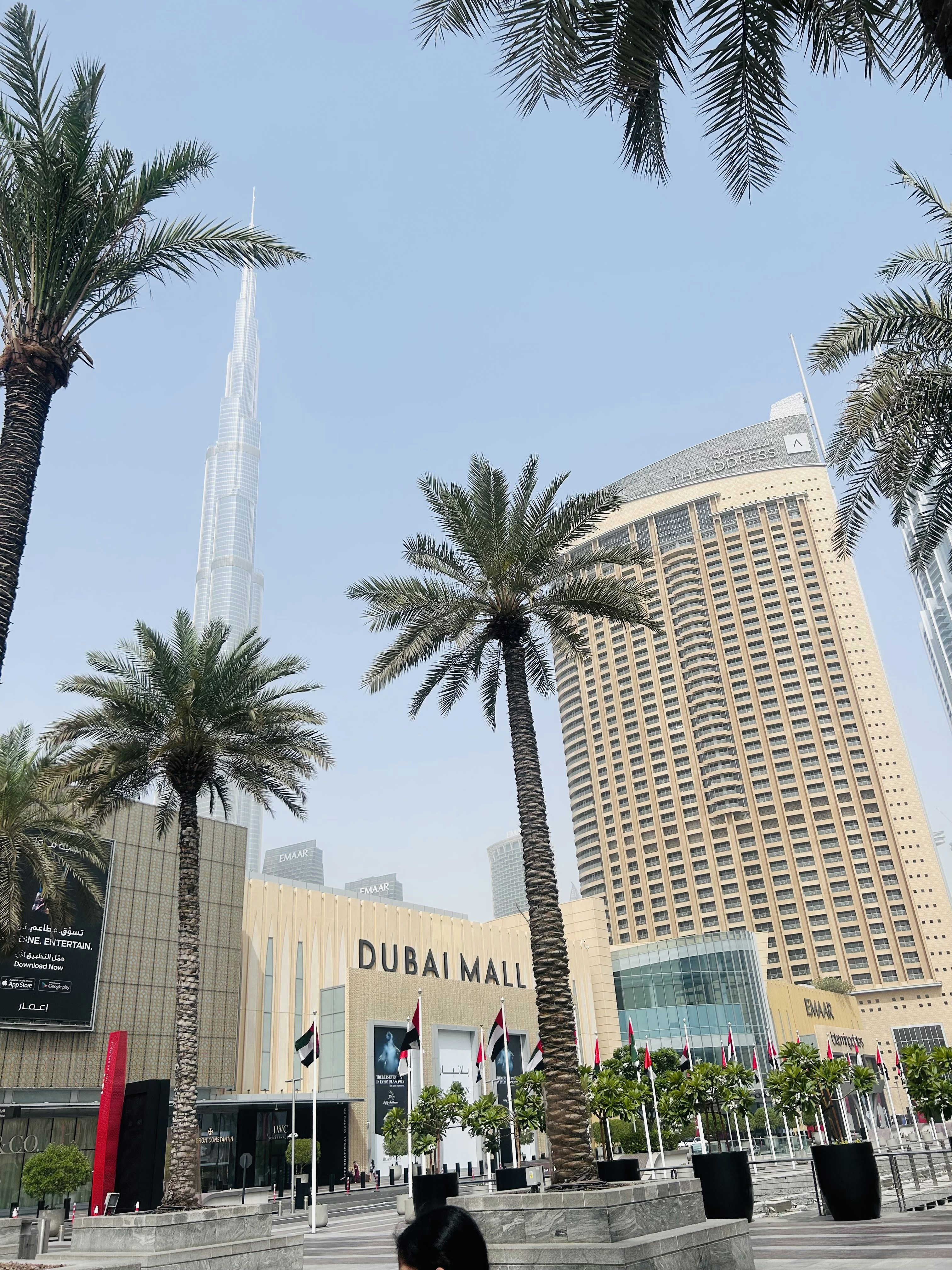
Introduction to Free Zones in Dubai
The concept of free zones in Dubai plays a pivotal role in the emirate’s economic landscape, serving as designated areas where foreign investors can establish and operate their businesses with reduced regulatory burdens. Essentially, a free zone is a secured area that offers numerous incentives to attract international companies, including 100% ownership, tax exemptions, and the ability to repatriate profits and capital. This unique framework not only facilitates a smoother entry for international entities but also bolsters Dubai’s position as a global business hub.
Free zones in Dubai cater to a wide range of industries, encompassing sectors such as technology, logistics, finance, and media. Each zone is tailored to specific industries, providing specialized infrastructure and support services that resonate with the unique needs of businesses. This targeted approach enhances operational efficiency and fosters an environment conducive to innovation and growth. The establishment of these zones has proven instrumental in propelling Dubai towards its goal of diversifying its economy beyond oil dependence.
Furthermore, the significance of free zones extends beyond mere economic advantages; they contribute to the overall attractiveness of Dubai as a destination for entrepreneurs and investors. With a strategic geographical location that connects East and West, Dubai serves as a gateway for businesses looking to expand into the Middle East and North Africa (MENA) region. The presence of free zones encourages foreign direct investment (FDI), which is essential for economic growth and job creation. As more international companies establish their presence in these specialized zones, Dubai continues to evolve into a more vibrant and dynamic business environment, fostering competition and collaboration across various sectors.
Benefits of Setting Up a Business in a Free Zone
Establishing a business in one of Dubai’s free zones offers a myriad of advantages that appeal to entrepreneurs and investors from around the globe. One of the primary benefits is the provision for 100% foreign ownership of the business. Unlike other regions in the UAE, where a local sponsor is often required, free zones eliminate this necessity, allowing foreign nationals to maintain full control over their enterprises. This aspect is particularly attractive for international investors seeking to retain complete autonomy.
Another significant advantage is the favorable tax environment. Businesses operating within free zones enjoy various tax exemptions, including corporate tax and personal income tax for a specified period, which can be extended based on regulatory updates. This unique feature enhances profitability and offers financial peace of mind, enabling entrepreneurs to reinvest savings into business growth. Additionally, they are generally exempt from import and export duties, further enhancing operational efficiency and cost-effectiveness.
The process of setting up a business is also streamlined within free zones, characterized by simplified administrative procedures. This includes expedited licensing and registration processes, often allowing new businesses to become operational in a matter of weeks. Such efficiency is critical for entrepreneurs eager to launch and scale their operations promptly.
Furthermore, free zones provide access to global markets through their strategic locations and robust infrastructure, including advanced logistics facilities and transportation networks. These zones often serve as gateways for businesses looking to tap into the Middle Eastern and international markets, significantly enhancing their growth potential. Overall, the combination of these benefits creates an optimal environment for various business models, from startups to established firms, fostering innovation and economic diversification in the region.
Overview of Major Free Zones in Dubai
Dubai is renowned for its strategic geographic position and progressive economic policies, making it a premier destination for businesses. The city’s free zones offer innovative solutions tailored for various industries, each with unique advantages. Among the most significant is the Dubai Multi Commodities Centre (DMCC), a hub for commodity trading and businesses engaged in related services. Established in 2002, DMCC provides easy company formation, 100% foreign ownership, and a multitude of facilities that foster the growth of trading firms, from gold and diamond dealers to textiles and agricultural goods.
Another prominent free zone is Dubai Silicon Oasis, which focuses on technology-based companies. This free zone supports firms in sectors such as electronics, telecommunications, and software development. With its state-of-the-art infrastructure and integrated community, Dubai Silicon Oasis nurtures innovation and attracts startups and established companies alike. The zone also offers flexible office spaces, research and development resources, and various incentives for tech entrepreneurs.
Dubai Internet City is yet another important free zone, recognized as a regional hub for technology and media companies. This free zone is home to some of the world’s leading technology corporations, supporting sectors like IT, e-commerce, and digital media. Companies in Dubai Internet City benefit from access to a skilled workforce, cutting-edge facilities, and networking opportunities that foster collaboration and growth within the tech industry.
Other notable free zones include the Dubai Healthcare City, which specializes in medical services and healthcare innovation, and the Dubai Design District, which is focused on fostering creative industries. These free zones collectively contribute to a vibrant business landscape that caters to diverse sectors, making Dubai an attractive destination for businesses looking to thrive in a dynamic environment.
Specific Requirements for Business Setup in Dubai Free Zones
Establishing a business within one of Dubai’s free zones involves adhering to specific requirements designed to facilitate new enterprises while ensuring compliance with local regulations. Aspiring entrepreneurs must prepare a series of essential documents to initiate their business setup journey. These documents typically include a completed application form, a business plan outlining the proposed activities, and copies of relevant identification such as passports and residency visas for all shareholders and directors.
In addition to documentation, capital requirements play a significant role in the business setup process. Different free zones may have varying minimum capital requirements, which can range from AED 50,000 to AED 1 million, depending on the type of business entity chosen. This required capital must be deposited in a UAE bank account, and adequate proof of this investment is necessary to proceed with the registration process.
Furthermore, obtaining the appropriate business licenses is crucial for legal compliance. The type of license you need—whether it is a commercial, industrial, or service license—will depend on the nature of your business activities. Each free zone has its regulatory authority, and it is important to consult their guidelines for the specific licenses needed. Additionally, entrepreneurs may be required to secure approvals from external authorities, particularly for activities that might involve special regulations, such as real estate or healthcare.
Lastly, considering the unique nature of each free zone, it is advisable for individuals and companies to engage with local business consultants. These experts can simplify the process by providing up-to-date information on requirements, ensuring that all steps toward business setup are efficiently executed. Understanding these specific requirements can significantly contribute to a smooth and efficient business establishment in Dubai’s vibrant free zones.
Steps to Register Your Business in a Free Zone
Registering a business in one of Dubai’s free zones involves a series of well-defined steps that ensure compliance with legal requirements and facilitate a smooth start for entrepreneurs. The first step is to select the appropriate free zone that aligns with your business activities. Each free zone in Dubai caters to specific industries, so it’s essential to conduct thorough research to identify the zone that best suits your operational needs and target market.
Once the right free zone has been determined, the next step is to secure a business name that adheres to the guidelines set by the Department of Economic Development (DED). The chosen name must reflect the nature of your business and not violate any existing trademarks. After finalizing the name, you will need to submit the requisite documents, which typically include a completed application form, copies of passports of the shareholders, a business plan outlining your operational intentions, and proof of the office space, whether it is a lease agreement or an authorization letter from the free zone authority.
Upon submission of the documents, the free zone authority will initiate the application review process. If all requirements are met, you will receive an approval notification, after which you will be required to pay the applicable registration fees. Following payment, the authority will issue your business license, which legitimizes your operations within the free zone. It is advisable to seek assistance from local business consultants or legal advisors who can provide valuable insights and help streamline the registration process, ensuring that all regulatory requirements are thoroughly addressed.
In conclusion, successfully registering your business in a Dubai free zone requires careful planning and adherence to regulatory protocols. By understanding each step involved, entrepreneurs can effectively navigate the registration process and lay a solid foundation for their business endeavors.
Costs Associated with Setting Up in a Free Zone
Establishing a business in one of Dubai’s free zones presents an attractive opportunity due to numerous economic advantages, but it is essential to understand the associated costs to ensure effective financial planning. Typically, the primary expenses involved in setting up a business include registration fees, licensing costs, and ongoing operational expenses. Each free zone has its specific cost structure, which can vary widely based on the nature of the business and the chosen location.
Initially, businesses are required to pay a registration fee, which usually encompasses the cost of paperwork, processing, and establishment procedures. This fee amounts to several thousand dirhams and is often determined by the type of business entity chosen, be it a sole proprietorship, partnership, or limited liability company. Following registration, the next significant cost arises from acquiring a business license. There are different categories of licenses – trading, service, or industrial – and each affects the overall expenditure. Licensing costs can also fluctuate based on the free zone’s specific requirements.
Operational expenses, including rent for office space, utilities, and staff salaries, should also be factored into your budget. Office space in free zones is typically available in various configurations, from flexi-desks to full offices, and these prices can significantly impact the startup budget. To manage these costs effectively, it is advisable to create a comprehensive financial plan that not only outlines expected expenditures but also accommodates unforeseen expenses.
In conclusion, when setting up a business in a free zone, a thorough understanding of the related costs, such as registration fees, licensing costs, and ongoing operational expenses, is vital. Careful budgeting and financial planning will help ensure a smooth startup process while maximizing the benefits of operating from a free zone in Dubai.
Challenges in Establishing a Business in a Free Zone
Establishing a business in a free zone in Dubai, while advantageous, is not without its challenges. One of the most significant hurdles business owners encounter is navigating the complex legal framework that governs free zone operations. Each free zone has its own regulatory requirements, and understanding these nuances can be daunting for newcomers. It is essential for business owners to conduct thorough research and possibly seek legal counsel to ensure compliance with all relevant laws and regulations, thereby avoiding potential fines or operational disruptions.
Cultural differences can also pose a challenge for entrepreneurs unfamiliar with the local business environment. The UAE has a diverse population with various cultural backgrounds, and understanding these cultural nuances is vital for successful business interactions. Business owners should invest time in learning about local customs and etiquette, as well as the broader cultural dynamics of the UAE. Engaging with local business consultants or networks can provide valuable insights and facilitate smoother communications with both clients and partners.
Furthermore, the competitive landscape in Dubai’s free zones is another obstacle that cannot be overlooked. While free zones attract a plethora of businesses, this saturation can make it difficult for new entrants to carve out a niche. Business owners must engage in thorough market research to understand their competitors and identify gaps in the market that their products or services can fill. Developing a robust business plan that outlines unique selling propositions (USPs) will be essential for standing out among competitors. Collaborating with local partners or leveraging digital marketing strategies can also enhance visibility and reach within the competitive free zone environment.
Addressing these challenges with proactive strategies can significantly improve the chances of establishing a successful business in one of Dubai’s free zones.
Success Stories: Businesses Thriving in Dubai Free Zones
Dubai’s free zones have emerged as vibrant ecosystems that foster business innovation and growth. A variety of entrepreneurial ventures across numerous industries have successfully leveraged the unique advantages offered by these zones. For instance, the technology sector has seen significant advancements with companies like Careem, a ride-hailing service that originated in Dubai. By taking advantage of the Dubai Multi Commodities Centre (DMCC), Careem capitalized on the favorable regulatory environment, attracting substantial investment to scale its operations, which has ultimately transformed the transportation landscape in the region.
Another notable success story is that of the luxury e-commerce platform, Namshi. Established in Dubai Silicon Oasis, Namshi has experienced rapid growth by tapping into the burgeoning online retail market. Its strategic decision to set up in a free zone allowed them to benefit from tax incentives, streamlined customs processes, and a supportive infrastructure. As a result, Namshi has expanded its product offerings significantly, catering to customers across the Middle East and establishing itself as a leading player in the regional fashion arena.
The diverse range of businesses also includes healthcare. A prime example is the Dubai Healthcare City, which houses various medical institutions and health technology firms. One such firm is the telemedicine provider, Healthigo. By utilizing the services and support available within the free zone, Healthigo has been able to innovate in the way healthcare is delivered. It has provided patients with easy access to healthcare professionals, which has become increasingly vital in today’s fast-paced world.
These success stories illustrate the dynamic business environment facilitated by Dubai’s free zones. Entrepreneurs and established firms alike benefit from a supportive framework that promotes business growth and innovation across various sectors. By establishing their presence in these zones, businesses can harness the potential of Dubai as a gateway to the Middle East and beyond.
Conclusion: The Future of Business in Dubai Free Zones
The landscape of business in Dubai’s free zones is characterized by a climate ripe with emerging opportunities. As the city continues to position itself as a global business hub, various trends and government initiatives are likely to shape the future of enterprise growth within these zones. Notably, the continued diversification of the economy, driven by government efforts to attract foreign investment, will play a critical role in ensuring sustainable business practices.
In response to global economic shifts, Dubai’s government has initiated several strategic reforms. The introduction of long-term visa options for investors and skilled professionals, coupled with the recent expansions of free zone areas, are indicative of a robust approach to bolstering economic resilience. Moreover, the commitment to integrating technological advances, such as changes in regulatory frameworks to accommodate FinTech and e-commerce, illustrates a forward-thinking strategy that supports business innovation.
Foreign investors stand at a pivotal point, as they can leverage these trends to their advantage. Engaging with Dubai’s free zones provides access to tax incentives, which are instrumental in enhancing profitability. Furthermore, the strong logistical infrastructure and proximity to markets give entrepreneurs a unique edge in operational efficiency. Industries such as logistics, technology, and renewable energy are thriving due to favorable regulations, positioning the free zones not just as places of operation, but as breeding grounds for innovation.
As Dubai continues to evolve, the potential for businesses operating within its free zones is expansive. The blend of governmental support, infrastructural development, and an increasingly sophisticated market environment lays the groundwork for sustainable growth. Investors who capitalize on these opportunities will likely find themselves well-positioned for success in the coming years.