Introduction to Modern Marketing Optimization
As we enter 2026, the marketing landscape continues to evolve at a rapid pace, influenced by technological advancements and shifting consumer expectations. Marketing optimization, defined as the strategic process of refining marketing efforts to maximize effectiveness and return on investment, plays a pivotal role in this dynamic environment. Data-driven decision-making has become not just beneficial, but essential in enhancing marketing performance. Companies today prioritize real-time analytics and consumer insights to inform their strategies, ensuring that they remain competitive.
A central aspect of marketing optimization in 2026 is adaptability. Organizations are learning to swiftly modify their approaches in response to changing consumer behaviors, preferences, and market trends. This adaptability is made possible by leveraging sophisticated data analytics tools and methodologies that provide a clearer picture of customer journeys. Marketers are increasingly utilizing artificial intelligence and machine learning to extract insights from large data sets, allowing them to tailor their messaging and offers with unprecedented precision.
The integration of cross-channel marketing techniques further exemplifies how companies are enhancing performance. By optimizing performance across diverse platforms—such as social media, email, and digital advertising—marketers can create a cohesive brand experience that resonates with consumers. Additionally, the use of predictive analytics enables organizations to anticipate customer needs and preferences, facilitating more effective engagement strategies.
In this context, marketing optimization is not merely about maximizing reach or improving metrics; it is about fostering lasting relationships with consumers through personalized and relevant interactions. By focusing on consumer-centric strategies and embracing technological innovations, businesses in 2026 are positioned to thrive amidst an ever-changing marketplace, driving both performance and growth.
Key Technological Trends Shaping Marketing in 2026
As the marketing landscape continues to evolve, several key technological trends are significantly influencing marketing strategies and optimizing performance in 2026. Among these, artificial intelligence (AI), machine learning (ML), and big data analytics stand out as crucial components for marketing teams striving to enhance their effectiveness.
Artificial intelligence has transformed the way marketers approach customer interactions. With AI-driven tools, teams can analyze consumer behaviors and preferences with unparalleled accuracy, allowing for more precise targeting and personalization. For instance, chatbots powered by AI can enhance customer service by providing instant responses, thereby improving customer satisfaction and retention rates.
Machine learning, a subset of AI, plays a pivotal role in predictive analytics. By examining historical data, machine learning algorithms can forecast trends and customer behaviors, enabling marketers to tailor their strategies accordingly. This technology empowers teams to make data-driven decisions that resonate with their target audience, ultimately driving conversion rates and increasing ROI.
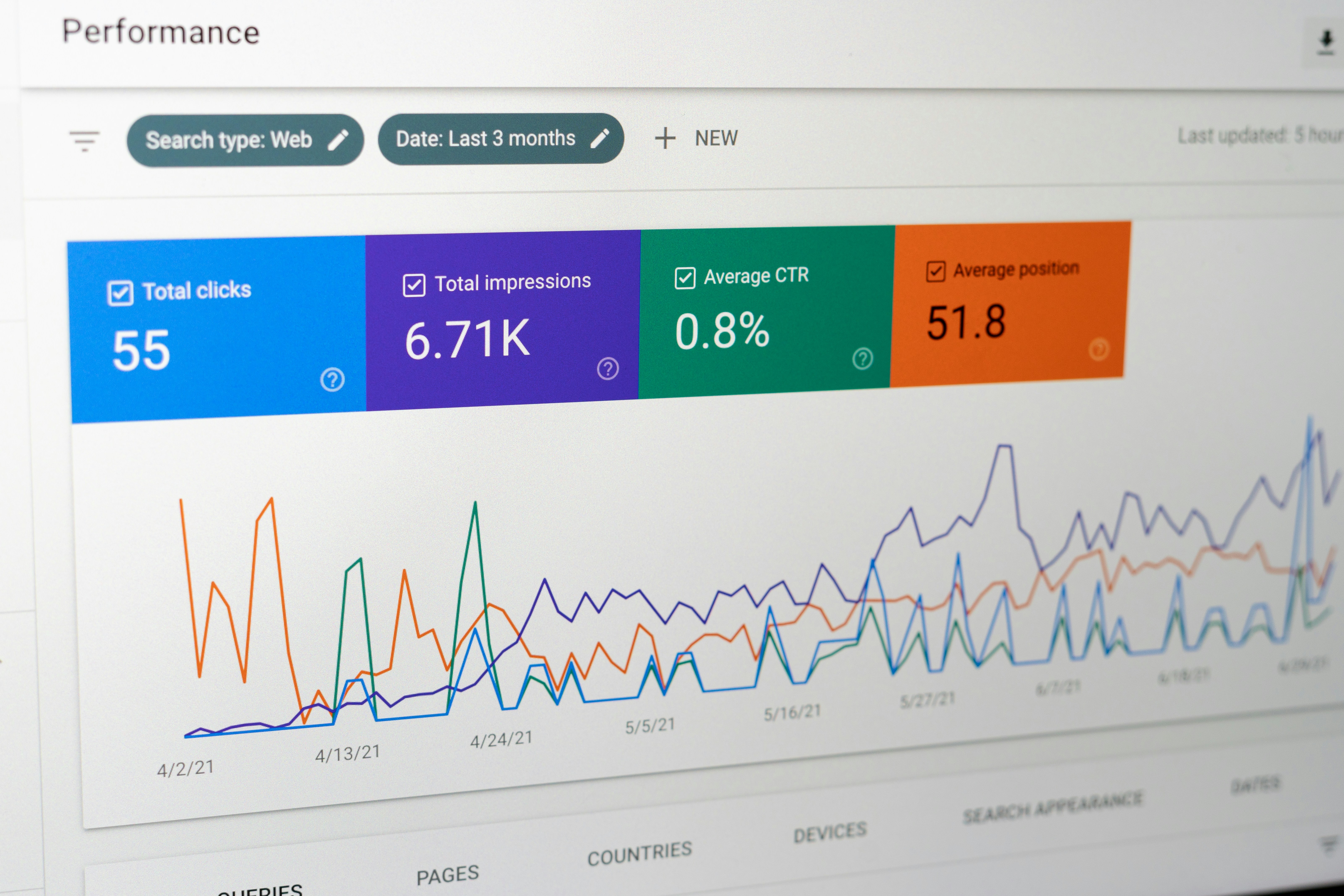
Big data analytics forms the foundation upon which these advanced technologies operate. By leveraging vast amounts of data from various sources—such as social media, web traffic, and CRM systems—marketers gain valuable insights into audience behavior and preferences. Platforms like Google Analytics and HubSpot offer robust analytics capabilities that help teams track performance metrics in real-time. These insights allow for continual improvement in marketing strategies, ensuring that campaigns are aligned with consumer needs.
In summary, the integration of AI, machine learning, and big data analytics is not just reshaping marketing strategies; it is essential for optimizing performance in 2026. By adopting these technologies, marketing teams can better understand their audience, enhance engagement, and ultimately achieve their business objectives more effectively.
Essential Metrics for Measuring Marketing Success
In the rapidly evolving landscape of marketing, successful teams must continuously adapt their strategies to optimize performance in 2026. To achieve this, they focus on specific key performance indicators (KPIs) that provide valuable insights into their overall effectiveness. One of the most important metrics is the conversion rate, which measures the percentage of potential customers who take a desired action, such as making a purchase or signing up for a newsletter. A high conversion rate signifies that a marketing strategy is resonating with the target audience, while a low conversion rate may indicate the need for adjustments in messaging or targeting.
Another vital metric is the customer acquisition cost (CAC). This figure represents the total expense incurred to acquire a new customer, inclusive of marketing spend, sales efforts, and any associated overhead. By analyzing CAC, marketing teams can better evaluate their spending efficiency and determine if their strategies are sustainable in the long run. When CAC is aligned with customer lifetime value (CLV), organizations can ensure a positive return on investment (ROI), which is essential for maintaining profitability while optimizing performance in 2026.
Return on investment (ROI) is a critical metric for any marketing initiative, as it quantifies the financial return generated from marketing activities relative to the costs incurred. A successful marketing team will regularly assess its overall ROI to gauge the effectiveness of each campaign. Understanding these metrics allows for data-driven decision-making, enabling teams to refine their strategies and prioritize efforts that yield the highest returns. With the right metrics in place, organizations can stay agile and adaptable, ensuring continued success in a competitive market.
Leveraging Consumer Data for Tailored Marketing Strategies
In the rapidly evolving landscape of marketing in 2026, leveraging consumer data has become an imperative for teams aiming to optimize performance. Access to comprehensive consumer insights allows marketing professionals to create tailored strategies that resonate with target audiences on a personal level. This personalization is crucial as consumers increasingly expect brands to understand their individual preferences and needs.
To effectively harness consumer data, marketing teams must first employ strategies for data collection. This can be achieved through various channels, including online surveys, website analytics, social media interactions, and email engagement metrics. By utilizing these methods, teams can gather a wealth of information regarding consumer behavior, preferences, and demographics. The key is to ensure informed consent and comply with privacy regulations to maintain consumer trust.
Once data collection is in place, the focus shifts to analysis. Utilizing advanced analytics tools and techniques, teams can transform raw data into actionable insights. For example, segmentation analysis helps marketers to categorize consumers based on distinct behaviors or preferences. This segmentation, coupled with predictive analytics, enables teams to forecast future behaviors and adapt strategies accordingly.
Successful marketing teams in 2026 are not just collecting data but are skillfully employing these insights to enhance engagement and conversions. By integrating personalized content into their campaigns, teams can create compelling messages that speak directly to individual consumers. Techniques such as targeted email marketing, personalized product recommendations, and optimized digital advertisements based on consumer behavior have proven effective. Ultimately, the judicious use of consumer data allows teams to craft strategies that not only drive conversion rates but also cultivate lasting relationships with customers.
The Role of Multi-Channel Marketing in Performance Optimization
In the dynamic landscape of digital marketing, the integration of a multi-channel approach has become indispensable for teams aiming at optimizing performance in 2026. This strategy encompasses the utilization of multiple platforms, such as social media, email, SEO, and content marketing, to create a cohesive narrative that resonates with customers at various touchpoints. By engaging consumers through different channels, brands can enhance their visibility and improve customer experiences, leading to increased conversion rates.
One of the primary advantages of multi-channel marketing is the seamless customer journey it offers. As consumers switch between platforms, it is imperative for marketing teams to ensure consistency in messaging and calls-to-action. For instance, a potential customer might first encounter a brand on social media, follow up by visiting the website, and later open an email campaign. Consistently conveying the brand’s value proposition across these platforms strengthens recognition and trust, paving the way for higher engagement and loyalty.
Furthermore, multi-channel marketing facilitates comprehensive analytics that help teams assess performance metrics across various platforms. By analyzing data from social media engagement, email open rates, and website traffic, marketers can glean insights into customer behavior and preferences. These insights are instrumental in optimizing strategies, allowing teams to allocate resources effectively and target their audiences more precisely. In turn, this data-driven approach ensures that marketing initiatives are not only aligned with customer expectations but also strategically geared towards achieving optimal results.
As we move into 2026, the integration of a multi-channel marketing strategy will undoubtedly play a critical role in how organizations optimize their performance. By embracing this holistic approach, teams can better adapt to changing market trends and consumer expectations, ultimately driving sustained success.
Agile Marketing: Adapting to Change for Optimal Results
In an era characterized by rapid technological advancement and shifting consumer behavior, agile marketing has emerged as a pivotal strategy for organizations aiming to optimize performance in 2026. Agile marketing emphasizes flexibility and responsiveness, allowing teams to pivot swiftly in response to market dynamics. By employing iterative processes and collaborative frameworks, marketing teams can adapt their strategies to meet evolving consumer needs effectively.
The cornerstone of agile marketing lies in its ability to foster a culture of experimentation. Organizations implementing this methodology often utilize rapid testing methods, such as A/B testing and surveys, which enable them to draw insights quickly. For instance, a marketing team may launch a campaign targeting a new demographic while simultaneously testing different messaging approaches and platforms. By assessing performance metrics in real-time, they can allocate resources efficiently towards the most successful strategies, thereby optimizing performance in 2026.
Adaptive campaigns exemplify the principles of agile marketing well. One prominent example involves a leading e-commerce company that utilized customer feedback to refine its advertising messages continually. Instead of adhering to a static campaign, they prioritized customer insights, enabling them to enhance connections with their audience. This commitment to adaptability not only improved engagement rates but also ensured that marketing initiatives remained relevant in a fast-paced environment.
Additionally, agile marketing teams often employ cross-functional collaboration, bringing together members from diverse backgrounds, such as analytics, creative, and development. This collaborative approach enhances problem-solving capabilities, allowing teams to tackle challenges creatively and efficiently. As companies look toward 2026, those that embrace agile methodologies will likely find themselves better positioned to respond to changes swiftly, thereby ensuring sustained success in a competitive landscape.
Collaboration Tools Enhancing Team Performance
As the digital landscape evolves, marketing teams in 2026 are increasingly relying on an array of collaboration tools and software to optimize performance and enhance productivity. Effective collaboration is paramount for any marketing initiative, and using the right tools not only fosters improved communication but also streamlines project management processes.
One of the most notable trends in this area is the adoption of integrated communication platforms that allow team members to engage in real-time discussions, share insights, and provide feedback seamlessly. Tools such as Slack and Microsoft Teams have gained traction for their user-friendly interfaces and comprehensive functionalities. These platforms enable marketing teams to create dedicated channels for specific projects, ensuring that all relevant information is easily accessible, which in turn enhances decision-making.
In addition to communication tools, project management software has become indispensable in 2026. Platforms like Trello, Asana, and Monday.com provide visual project tracking capabilities that facilitate task assignment, deadline management, and overall accountability among team members. The ability to visualize progress not only reinforces transparency but also motivates team members to meet their objectives, ultimately leading to more successful campaign execution.
Moreover, collaboration tools are enhancing the performance of remote teams by offering robust functionalities such as screen sharing, document collaboration, and cloud storage. Such capabilities have proven essential for maintaining productivity across diverse locations, allowing teams to work cohesively regardless of geographic barriers. This shift towards inclusivity in collaboration practices places a strong emphasis on the necessity for adaptable tools that evolve with the changing dynamics of the workplace.
Ultimately, by adopting these collaboration tools, marketing teams are optimizing performance in 2026, ensuring that their methodologies are not only efficient but also aligned with contemporary best practices in digital marketing. Efficient collaborations are foundational for developing innovative solutions and achieving strategic marketing goals, underscoring the vital role of technology in driving success.
Case Studies: Proven Strategies in Action
In the rapidly evolving landscape of marketing, organizations must stay agile and adaptive to optimize their performance. A closer inspection of successful brands reveals that effective marketing strategies hinge on a careful blend of analytics, creativity, and consumer engagement. Here, we will explore real-world examples that highlight how certain companies are optimizing performance in 2026 and the metrics that have contributed to their success.
One prominent case is that of Company A, a leader in the e-commerce sector, which adopted a data-driven approach to enhance its marketing strategy. By implementing advanced analytics tools, they identified key customer segments and tailored their campaigns accordingly. The result was a 25% increase in conversion rates and a significant reduction in customer acquisition costs. Key performance indicators (KPIs) such as customer lifetime value and return on investment became central to their optimization efforts.
Another notable example is Company B, a major player in the technology sector. They focused on integrating artificial intelligence to personalize customer experiences. This approach not only improved user engagement but also allowed the company to leverage predictive analytics to forecast trends and adjust marketing strategies proactively. In a competitive market, this led to a 30% increase in brand loyalty, as evidenced by their enhanced net promoter score (NPS).
Company C, specializing in sustainable goods, utilized social media analytics to refine its brand messaging. By monitoring customer interactions and feedback, they successfully developed targeted campaigns that resonated with their audience. Their efforts culminated in a doubling of their social media engagement metrics, directly correlating with a 40% increase in sales during their quarterly promotion. This case underscores the importance of adapting marketing strategies based on consumer insights to optimize performance in 2026.
Future Trends in Marketing Optimization
As we look ahead to the future of marketing optimization in 2026 and beyond, several emerging trends are anticipated to shape the landscape significantly. Marketing teams are expected to increasingly rely on advanced technologies such as artificial intelligence and machine learning. These tools will not only streamline data analysis but also enhance predictive capabilities, leading to more personalized marketing strategies. Brands that embrace these technologies will likely experience improved customer engagement and satisfaction, key components in optimizing performance in 2026.
Social media platforms are evolving, and as a consequence, marketing strategies need to adapt accordingly. The rise of ephemeral content and direct shopping features on platforms such as Instagram and TikTok will affect marketing optimization efforts by necessitating real-time content creation and rapid response to consumer behavior. Teams must learn to harness these trends effectively to maintain connection and relevancy with their audiences.
Furthermore, consumer privacy concerns are growing, which is prompting marketing teams to find innovative ways to balance personalization with respect for user data. With increased regulations surrounding data collection and usage, brands will face potential challenges in ensuring compliance while still being able to deliver targeted advertising. This dynamic will require marketing managers to refine their strategies continuously.
The ongoing evolution of marketing performance metrics will also play a pivotal role in shaping future strategies. As the industry shifts towards more accountable and transparent metrics, organizations will need to develop robust KPI frameworks that accurately reflect their efforts while allowing for flexibility to adapt to changing consumer behaviors. To remain competitive, teams must stay ahead of these trends and proactively adjust their campaigns, ensuring they are not merely reactive but strategically planning for sustainable success in an ever-evolving marketplace.