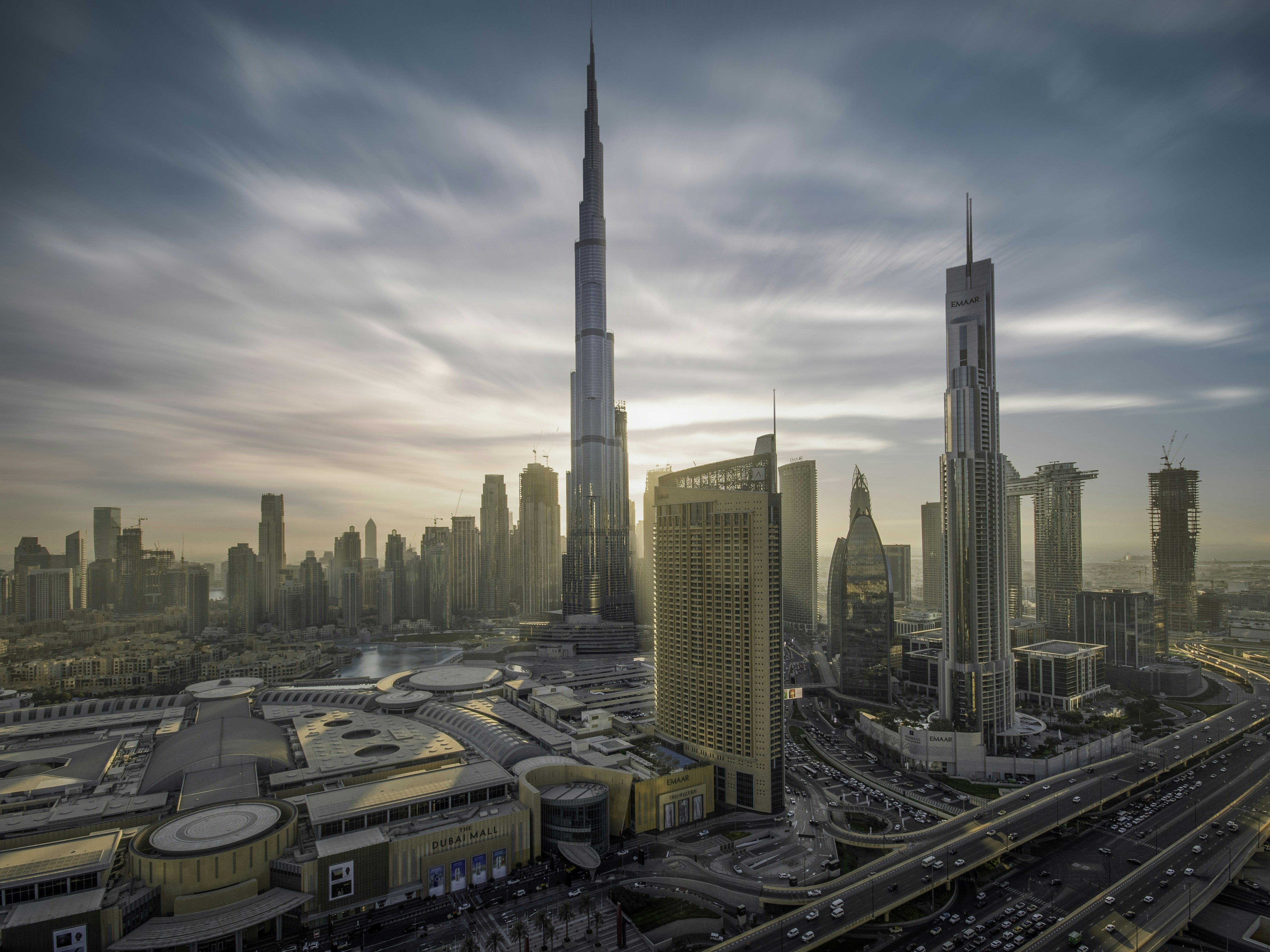
Introduction to Dubai’s Real Estate Landscape
The real estate market in Dubai has exhibited remarkable growth over the past few years, positioning itself as one of the most dynamic property markets globally. As of 2023, the city has become a hub for investors and homebuyers, driven by a perfect blend of strategic location, infrastructural development, and an evolving economy. This combination has created a resilient landscape, even in the face of global economic uncertainties.
Several factors contribute to the resilience of Dubai’s property market. Firstly, the city’s government initiatives, such as visa reforms and attractive investment options for foreign buyers, have further stimulated demand. In addition, Dubai’s ambitious plans, such as the Expo 2020, have elevated its global profile, attracting more expatriates and investors who view the city as a prime location for real estate ventures. Furthermore, advancements in technology and the integration of artificial intelligence within property management have improved operational efficiencies, making real estate investments more appealing.
The multifaceted nature of Dubai’s real estate landscape is evident in its diverse offerings, ranging from luxury apartments and villas to commercial properties and affordable housing. Such variety ensures that investors have a plethora of options to choose from, catering to varying financial capabilities and lifestyle aspirations. Moreover, recent trends indicate a shift towards sustainability and eco-friendly developments, which align with global sustainability goals. This shift not only meets current buyer preferences but also indicates the future direction of the market.
In summary, the current state of Dubai’s real estate market is characterized by a robust growth trajectory reinforced by strategic governmental policies, technological integration, and demographic developments. This foundation sets the stage for exploring the key trends anticipated to shape the marketplace as we move towards 2025.
Trend 1: Surge in Luxury Developments
The Dubai real estate market is witnessing a remarkable surge in luxury developments, reflecting a growing demand among affluent buyers and investors. This trend is primarily driven by the increasing allure of Dubai as a global luxury destination, attracting high-net-worth individuals seeking opulent residences and investment opportunities. The characteristics of these luxury properties often encompass cutting-edge architectural designs, premium finishes, expansive layouts, and exclusive amenities. Buyers are not only looking for a place to live but also an experience that epitomizes a lavish lifestyle.
Key areas within Dubai experiencing this boom include the iconic Palm Jumeirah, Downtown Dubai, and the Dubai Marina. These locations are strategically chosen for their stunning waterfront views, proximity to high-end retail outlets, fine dining establishments, and cultural attractions. As demand continues to rise in these coveted neighborhoods, developers are increasingly focusing on creating bespoke, high-end projects that cater to the desires of discerning clients. Such developments often boast features like private pools, state-of-the-art fitness centers, spa facilities, and concierge services, all aimed at enhancing the living experience.
The surge in luxury developments is not just a reflection of local market dynamics; it also signifies a broader trend in global real estate, where luxury segments are expanding amidst economic recovery and growing interest from international buyers. This influx of investment into Dubai’s luxury market indicates a strong confidence in the emirate’s long-term economic stability and growth potential. As more luxury projects emerge, they are likely to set new standards within the real estate sector, influencing pricing, design paradigms, and the overall competitive landscape. The future of Dubai’s property market thus appears increasingly oriented towards catering to an elite clientele, marking a substantial shift in the market’s evolution.
Trend 2: Sustainability and Eco-Friendly Developments
The real estate market in Dubai is increasingly embracing sustainability and eco-friendly developments, reflecting a global shift towards environmentally conscious living. This trend encompasses a variety of initiatives aimed at minimizing the carbon footprint associated with urbanization. Developers are now focusing on projects that feature energy-efficient designs, sustainable materials, and advanced technologies aimed at reducing energy consumption. Prominent examples of green buildings in Dubai include the iconic Burj Khalifa, which employs innovative cooling systems, and the Sustainable City, designed to promote a lifestyle that harmonizes with nature.
As the demand for sustainable living grows, the introduction of regulations and incentives is expected to further accelerate this shift. The Dubai government has set ambitious goals for reducing carbon emissions and increasing the use of renewable energy sources. The Dubai Clean Energy Strategy 2050 aims for 75% of the total power output to come from clean energy sources by 2050, which will likely influence property development standards. Additionally, the Green Building Regulations released by the Dubai Municipality encourage builders to adopt environmentally friendly practices, paving the way for a more sustainable property market.
Investor interest in eco-friendly developments is also on the rise. More buyers are prioritizing energy-efficient features and sustainable living options when making property decisions. This increasing consciousness among investors highlights a shift in consumer expectations, where the value of a property extends beyond its physical attributes to include its environmental impact. The appeal of eco-friendly homes and buildings enhances their marketability, presenting an opportunity for developers who innovate and meet these evolving demands. Overall, sustainability is becoming an essential element in shaping the future of Dubai’s real estate landscape.
Technological Advancements in Real Estate
The real estate sector in Dubai is witnessing a transformative shift due to technological advancements that are reshaping how properties are bought, sold, and managed. With the integration of cutting-edge technologies such as virtual reality (VR), artificial intelligence (AI), and blockchain, the industry is becoming more efficient and transparent, thereby enhancing investor confidence and streamlining various processes.
Virtual reality has emerged as a significant tool in the property market, allowing potential buyers to take immersive virtual tours of homes and commercial spaces without the need to visit physically. This not only saves time but also provides a comprehensive view of the property, facilitating informed decision-making. By enabling remote viewing, VR has expanded the reach of real estate agents, allowing them to cater to international clients effectively, thereby boosting sales opportunities.
Artificial intelligence plays a crucial role in analyzing vast amounts of data to identify market trends and pricing strategies. AI-driven algorithms can assess property values, recommend investment opportunities, and enhance customer service through chatbots and personalized support. This data-driven approach helps real estate professionals tailor their marketing strategies, ensuring that they connect with the right audience at the right time. Furthermore, AI can also assist in property management by automating maintenance requests and providing real-time analytics on a property’s performance.
Blockchain technology presents another significant leap forward in the real estate sector. It enhances transparency in transactions, reduces fraud, and simplifies the buying process by facilitating smart contracts. These self-executing contracts ensure that all terms and conditions are met before a transaction is completed, thus increasing trust among buyers and sellers. The adoption of blockchain can significantly lower transaction costs, making the market more accessible to a broader audience.
In conclusion, the integration of technology in Dubai’s real estate market is redefining how transactions are conducted, thereby paving the way for a more innovative and efficient sector. As these advancements continue to develop, the implications for property buyers, investors, and managers are profound, setting a promising trajectory for the future of real estate in Dubai.
Trend 4: Increased Foreign Investment and Partnerships
The landscape of Dubai’s real estate market is being significantly shaped by an influx of foreign investment. As the city continues to develop its infrastructure and urban planning, it has emerged as a prime destination for international investors seeking lucrative opportunities. Several factors contribute to this trend, including the implementation of favorable regulations, a stable economic environment, and the promise of substantial returns on investment.
Dubai’s regulatory framework has undergone several enhancements aimed at attracting global investors. Policies such as long-term visas for property investors, streamlined ownership laws, and the absence of property taxes make Dubai an especially appealing location. Furthermore, the government’s commitment to transparency and the protection of investor rights enhances market confidence. This regulatory environment fosters a sense of security, encouraging foreign capital to flow into the real estate sector.
Additionally, the increasing returns on investment present in Dubai’s property market act as a magnet for foreign investors. With a strong rental market and steady property appreciation, investors are enticed by the potential for high yields. The attractive lifestyle that Dubai offers, combined with its strategic location and growing economy, further reinforces the rationale for international stakeholders to invest in local real estate.
Moreover, the trend of increased foreign investment has resulted in the formation of strategic partnerships between international investors and local developers. Such collaborations often lead to innovative projects that cater to the evolving needs of the market. These partnerships not only enhance the competitive landscape but also encourage knowledge transfer and sustainable practices among the local development community. As a result, the dynamism of Dubai’s real estate market continues to rise, driven by both foreign capital and the synergy created through collaborative efforts.
Trend 5: Shift Towards Affordable Housing
In recent years, the Dubai real estate market has witnessed a significant shift towards affordable housing, driven by changing demographics and economic conditions. As the population continues to grow, so does the demand for affordable living options that cater to a diverse spectrum of residents, including expatriates and families. This trend reflects an increased awareness among stakeholders about the importance of inclusivity in urban development.
The Government of Dubai has recognized this need and has initiated several initiatives to promote the development of affordable housing. Programs such as the Dubai Housing Strategy aim to provide more affordable residential options while ensuring that construction adheres to high-quality standards. By incentivizing developers to focus on affordable housing projects, the government is paving the way for a more sustainable real estate market that balances both luxury and affordability.
However, the journey towards expanding affordable housing is not without its challenges. Developers face a variety of obstacles including rising construction costs, regulatory hurdles, and the need to maintain profitability in an increasingly competitive market. Moreover, the balancing act of ensuring that affordable housing does not compromise living standards presents an ongoing concern. Ensuring projects meet the needs of the demographic while remaining economically viable requires innovative design and planning solutions.
Despite these challenges, there remain considerable growth opportunities within the affordable housing segment. The increasing influx of skilled workers and families into Dubai necessitates a focus on creating housing options that are accessible at different income levels. By prioritizing affordability, developers are not only catering to immediate demands but are also contributing to the long-term livability and sustainability of Dubai. As the landscape of the real estate market evolves, the emphasis on affordable housing will likely play a pivotal role in shaping the future of property investments in the emirate.
Trend 6: The Rise of Short-term Rentals
The short-term rental market in Dubai is experiencing significant growth, particularly as tourism recovers following the challenges posed by the pandemic. Travelers are increasingly drawn to the flexibility and convenience offered by platforms like Airbnb and Vrbo, prompting a growing number of property owners to enter the short-term rental space. This trend not only caters to the immediate preferences of today’s tourists but also enhances the overall experience by providing diverse accommodation options that range from luxury apartments to unique villas.
As the demand for short-term rentals rises, local regulations have also evolved to address this burgeoning market. The Dubai government has implemented guidelines aimed at maintaining safety standards, monitoring short-term rental activities, and ensuring compliance with zoning laws. Property owners are now required to register their listings and obtain permits, which serves to legitimize the short-term rental sector while mitigating potential negative impacts on the surrounding neighborhood. Additionally, these regulations help illustrate the government’s intent to strike a balance between promoting tourism and safeguarding community interests.
This trend significantly influences the traditional rental market in Dubai. As more property owners opt to list their units as short-term rentals, the supply of long-term rental properties diminishes, potentially leading to higher rental prices for those seeking longer-term leases. Furthermore, the transient nature of short-term rentals can alter the rental dynamics within communities, as increased foot traffic and varied tenant turnover disrupt established residential environments.
In conclusion, the rise of short-term rentals in Dubai signifies a pivotal shift in the property market as it adapts to evolving consumer preferences and tourism trends. This segment is poised to play a vital role in the economic recovery and growth of the city, while simultaneously reshaping the landscape of traditional rental properties.
Conclusion: Future Outlook for Dubai’s Real Estate Market
The Dubai real estate market is positioned for transformative growth, as highlighted by the trends examined throughout this blog post. Increasing demand for sustainable living, technological integration, and evolving buyer demographics indicate a shift towards a more resilient property landscape. Investors and buyers alike should take note of the emphasis on eco-friendly constructions, which align with global sustainability goals, enhancing both the value and appeal of properties.
The projected increase in foreign investments, fueled by government initiatives and regulatory reforms, adds another layer of optimism for the Dubai real estate sector. By creating a more accessible and attractive investment environment, these changes are expected to bolster market confidence and stability. Buyers can expect higher quality developments that cater to their needs, reinforcing the trend of personalized properties tailored to diverse lifestyles.
Additionally, the integration of technology into property transactions and management is poised to revolutionize how investors and buyers interact with the market. From virtual tours to blockchain-based transactions, the usability and transparency of the real estate process will likely enhance buyer experience, further encouraging engagement with the market. As Dubai continues to evolve as a global hub, the emphasis on smart city technologies and infrastructure improvements will attract further investment and migration, promoting sustained growth.
Looking ahead, it is reasonable to predict that the health of Dubai’s real estate market will remain robust, with emerging trends likely including the rise of mixed-use developments and increased focus on lifestyle amenities. As the market adapts to new consumer expectations and external economic factors, the opportunities for investors will continue to expand accordingly. With a strategic approach to navigating these trends, stakeholders can capitalize on Dubai’s promising real estate future.
Call to Action for Investors and Homebuyers
As the Dubai real estate market continues to evolve, it is crucial for potential investors and homebuyers to stay informed about the trends that will shape the property landscape in 2025. The combination of technological advancements, shifting consumer preferences, and economic factors provides a unique opportunity for those looking to invest or buy property in this dynamic city. Understanding these trends not only enhances decision-making but also positions investors to capitalize on emerging opportunities.
First and foremost, it is advisable to regularly follow reputable real estate reports and market analyses. Numerous organizations and agencies dedicated to Dubai’s property market publish quarterly and annual reports that can help you gauge the current market conditions. Subscribing to real estate newsletters and joining online forums focused on Dubai’s property sector can also provide valuable insights into evolving trends. Additionally, leveraging social media platforms may assist in staying connected with industry experts who share their perspectives and analyses.
Secondly, networking with local real estate agents who have hands-on experience and can provide real-time information about market developments is essential. These professionals can offer firsthand knowledge of emerging neighborhoods, price fluctuations, and other pivotal aspects that could influence your investment decisions. Attending real estate expos or seminars in Dubai can further broaden your understanding of the market and connect you with potential collaborators or mentors.
Furthermore, consider adopting a flexible investment strategy that aligns with your long-term goals. The trends anticipated for 2025 may evolve, requiring investors to adapt and pivot their approaches. A diversified property portfolio that includes residential, commercial, and short-term rentals may yield better returns, given varying demands across sectors. Engaging with financial advisors experienced in the Dubai market can also aid in constructing an investment strategy that addresses market volatility and maximizes profitability.
By remaining vigilant, informed, and adaptable, homebuyers and investors will be well-equipped to navigate the burgeoning Dubai property market and seize lucrative opportunities as they arise.
Additional Resources and References
For individuals seeking to deepen their understanding of the Dubai real estate market, a variety of resources are available that provide valuable insights and analyses. These resources include market reports, industry studies, and expert opinions that can enhance one’s knowledge of current trends and forecasts. Below is a curated list of recommended resources:
1. Dubai Land Department (DLD): The DLD is the official authority in Dubai responsible for regulating and promoting the real estate sector. Their website offers access to various statistics, market reports, and guidelines relevant to property investment in Dubai. Visit the DLD website.
2. JLL (Jones Lang LaSalle): This global real estate services firm provides comprehensive market insights and assessments. Their periodic reports on the Dubai property market include analyses of demand, supply, and the economic factors influencing property prices. Access their reports at JLL Middle East.
3. CBRE Group: Another leading real estate services provider, CBRE offers detailed market research that outlines emerging trends and investment opportunities in Dubai’s real estate landscape. Their reports cover various asset classes including residential, commercial, and retail. Check their insights at CBRE UAE.
4. Property Finder: This platform serves as a comprehensive database for buyers and sellers in Dubai. They frequently publish articles and market updates that analyze property trends, pricing changes, and suburb performance. Explore their resources at Property Finder.
5. UAE Economic Reports: Various government-associated economic reports provide context and insights related to the real estate market. The Dubai Financial Market Authority offers reports and data that can enhance investor awareness of broader economic trends.
These resources are instrumental for stakeholders in the Dubai real estate market, empowering them to make informed decisions based on current trends and detailed analyses. Engaging with these materials will provide a solid foundation for understanding the dynamics at play in one of the world’s most vibrant property markets.