Introduction to Infographics and SEO
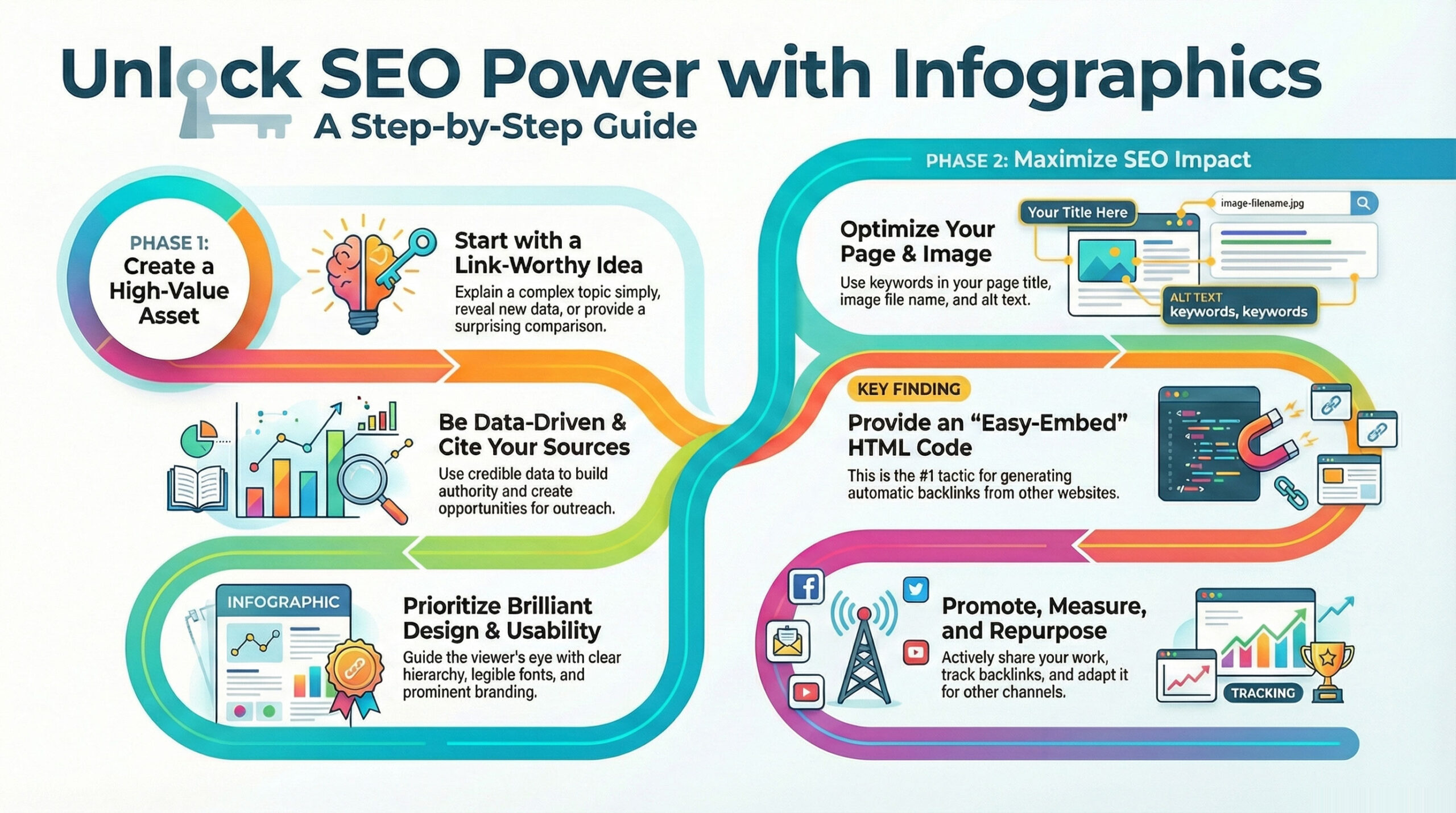
In the digital landscape, infographics have emerged as a valuable tool for enhancing search engine optimization (SEO). By combining visual elements and informative content, infographics captivate audiences and communicate complex information swiftly and effectively. Their significance in SEO stems from their ability to engage users, increase dwell time on a website, and encourage content sharing across various platforms. Visual content, such as infographics, facilitates improved understanding of topics, making it easier for users to grasp intricate ideas at a glance. Search engines, such as Google, prioritize engaging content that keeps users on a page longer. Thus, incorporating infographics into a content strategy can boost essential metrics like bounce rates and user interaction, signaling to search engines that the content is of high quality and relevant. This heightened engagement can substantially contribute to improved keyword rankings. Moreover, infographics are inherently shareable. When well-designed, they attract attention and are more likely to be distributed through social media and other online channels. This sharing not only extends the reach of the content but also creates opportunities for backlinks—another crucial factor in SEO. As websites link back to the original infographic source, it can increase authority and enhance domain credibility, which are significant indicators utilized by search engines in determining rankings. In summary, the integration of infographics into SEO strategies is an effective approach for increasing user engagement and enhancing content visibility. By employing diverse visuals, businesses can significantly improve their ability to rank higher in search results while simultaneously providing informative, easily digestible content to their audience.Why Infographics Are Effective for SEO
Infographics have emerged as a powerful tool for enhancing search engine optimization (SEO), and their effectiveness can be attributed to several key factors. One of the primary reasons is the innate human preference for visual learning. Research shows that people process visual information significantly faster than text-based content, making infographics an efficient means of conveying important data. When well-designed, infographics can grab the attention of users and encourage them to digest information quickly and easily, thereby enhancing the likelihood of engagement. Moreover, infographics excel at simplifying complex ideas or extensive data into a more digestible format. By breaking down intricate subjects using compelling visuals, infographics can transform challenging concepts into easily understandable content. This simplification not only aids comprehension but also keeps users on the page longer, reducing bounce rates, which can positively influence search engine rankings. Websites that provide clear and valuable content are more likely to be favored by search engines like Google, further solidifying the importance of using infographics in SEO strategies. Another significant advantage of infographics lies in their ability to generate backlinks and social shares. When users find an infographic informative and engaging, they are more inclined to share it across various platforms and link back to it on their websites. This external linking is a critical factor for search engine algorithms, as it signals the authority and relevance of the content. As a result, infographics not only enhance user experience but also foster a network of backlinks that can significantly improve a website’s visibility in search engine results. Thus, incorporating infographics into your SEO strategy can lead to tangible benefits for site traffic and engagement.Key Elements of Effective Infographics
Infographics have emerged as a powerful tool in digital marketing, primarily for enhancing user engagement and boosting SEO performance. The effectiveness of an infographic hinges on several key elements that contribute to its overall impact. First and foremost, good design is paramount. An effective infographic must be visually appealing, utilizing colors, fonts, and layouts that attract the viewer’s attention while maintaining a professional aesthetic. A clutter-free design allows for easier navigation and comprehension, enabling users to quickly grasp the information presented without feeling overwhelmed. Accurate data is another critical component. An infographic must be based on reliable statistics and credible sources to foster trust with the audience. Misleading or erroneous information not only diminishes the value of the infographic but can also cause significant damage to a brand’s reputation. Therefore, thorough research is essential to ensure that the data showcased is both relevant and precise. The clarity of the message conveyed in the infographic is vital. A well-structured infographic communicates its purpose succinctly, allowing the viewer to understand the primary takeaways at a glance. Use of clear headings, bullet points, and concise text can enhance clarity, while complex jargon should be avoided to ensure accessibility for a broader audience. Storytelling techniques also play a crucial role in crafting effective infographics. A compelling narrative can guide the audience through the data, making it more relatable and memorable. By integrating storytelling elements, such as a beginning, middle, and end, the infographic becomes more than just a visual representation of information; it evokes emotions and promotes greater retention of the material. Incorporating these elements into an infographic not only elevates its quality but also enhances user engagement, leading to better SEO performance. By delivering valuable content through well-designed infographics, businesses can capture the attention of their audience and improve their online visibility.The Role of Keyword Research in Infographic Creation
In the current digital landscape, keyword research is a fundamental component of SEO strategy, especially when creating infographics. Infographics are visual representations of information or data designed to convey complex ideas intuitively. To maximize their effectiveness, it is essential to incorporate relevant keywords that mirror the search intents of the target audience. Successful keyword research allows content creators to identify which terms are most frequently searched, thereby creating infographics that address genuine user queries. To begin the process, one must utilize various keyword research tools such as Google Keyword Planner, SEMrush, or Ahrefs. These platforms can provide insights into popular search terms and the volume of searches associated with them. Analyzing this data can help identify keywords relevant to the topic your infographic is addressing. For instance, if an infographic is centered around digital marketing trends, using keywords related to “digital marketing,” “SEO trends,” or “online advertising strategies” can align the content more closely with user interests. After compiling a list of targeted keywords, the next step is to analyze the intent behind these searches. Understanding whether users are seeking information, looking to make a purchase, or searching for solutions to specific problems will significantly enhance the infographic’s relevance. By focusing on both short-tail and long-tail keywords, creators can cover a broader spectrum of search queries while providing in-depth answers to specific questions that users may have. This strategic alignment not only optimizes the infographic for search engines but also increases its potential to engage viewers effectively. Moreover, including these keywords naturally within the infographic’s text, titles, and descriptions can facilitate better visibility across various platforms. The thoughtful incorporation of keyword research into the creation of infographics ultimately leads to content that serves both search engines’ algorithms and user needs, reinforcing the tool’s role in enhancing overall SEO strategies.How SEO Souq Can Help You Create Stunning Infographics
SEO Souq offers a comprehensive suite of services dedicated to creating stunning infographics that effectively enhance your online presence. The team at SEO Souq consists of experienced designers and SEO experts who understand the intricate relationship between visual content and search engine optimization. Their expertise allows them to produce infographics that not only captivate audiences visually but also align seamlessly with SEO best practices. The infographic creation process at SEO Souq begins with thorough research and planning. The team collaborates closely with clients to understand their specific objectives, target audience, and messaging requirements. This foundational step ensures that the final product is tailored to meet the unique needs of each client while effectively conveying the intended information. Once the concept is established, skilled designers employ advanced graphic design tools and techniques to create visually striking infographics that stand out in a crowded digital landscape. In addition to aesthetic appeal, SEO Souq places a strong emphasis on SEO optimization. The infographics are created with SEO-friendly attributes, including appropriate file formats, alt text, and relevant metadata. By integrating targeted keywords and phrases into the infographic’s content, SEO Souq maximizes visibility on search engines, ensuring that your infographics not only engage viewers but also draw traffic. Furthermore, they utilize analytics tools to track performance, providing insights into how the infographics are received by the audience. Ultimately, SEO Souq’s commitment to quality and optimization positions them as a valuable partner in your content marketing strategy. Their meticulous approach to infographic creation synthesizes creativity and technical expertise, ensuring that each piece not only serves an artistic purpose but also fulfills its role in boosting overall SEO performance.Best Practices for Sharing Infographics
Infographics can dramatically enhance your SEO strategy by providing visually appealing content that resonates with audiences. To maximize the reach and SEO benefits of your infographics, it is critical to implement effective sharing strategies. One of the most powerful distribution channels available today is social media. Platforms such as Facebook, Twitter, LinkedIn, and Instagram have a wide audience, making them ideal for sharing infographic content. Tailoring your infographic for each platform can improve visibility; for instance, ensuring images are optimized for mobile viewing can increase engagement on mobile-centric platforms. In addition to social media, guest blogging offers another avenue to share infographics. By collaborating with bloggers in your niche, you can reach a diverse audience that may not be familiar with your brand. Including your infographic within a well-written guest post not only introduces the content to a new group of readers but also can improve backlinks to your site, enhancing your overall SEO performance. When selecting bloggers, consider those whose audiences closely align with your target market to ensure relevancy. Networking with influencers is another effective method for promoting your infographics. Influencers often have a devoted following that trusts their recommendations. By sharing your infographic with influencers in your industry, you can gain credibility and tap into a broader audience. It is vital to choose influencers who align with your brand values and engage with their communities authentically. These partnerships can lead to increased shares, likes, and comments, amplifying your infographic’s reach and, consequently, improving its SEO benefits. Ultimately, by utilizing social media, guest blogging, and influencer networking, you can significantly boost the influence and reach of your infographics, reinforcing their role in your overall SEO strategy.Case Studies: Successful Infographics and SEO Wins
Numerous businesses have effectively utilized infographics to enhance their SEO rankings, showcasing the profound impact of visual content on digital marketing strategies. One notable example is the online education platform, Coursera. By creating engaging infographics that outlined course benefits and learning pathways, Coursera achieved a significant increase in organic traffic. After launching their infographic campaign, they noted a 60% increase in backlinks, largely stemming from external websites sharing their visual content. This rise in backlinks not only improved their domain authority but also contributed to higher search engine rankings. Another impressive case can be seen with the health and fitness brand, MyFitnessPal. They produced a series of infographics that illustrated calorie counts for various food items and effective exercise routines. These infographics were shared widely across social media platforms, resulting in a surge of referral traffic to their site. MyFitnessPal recorded a 45% increase in their website’s visibility on search engine results pages (SERPs) shortly after the release of their infographic series. This demonstrates how well-implemented visual content can positively influence SEO performance by enhancing user engagement and encouraging shares. Additionally, the tech blog, Mashable, embraced infographics to dissect complex concepts in technology and social media trends. By doing so, they not only simplified intricate information but also attracted links from reputable sources. Their strategic focus on creating shareable, informative graphics led to a remarkable uptick in both audience engagement and SEO rankings. In fact, their infographic on social media statistics alone garnered over 500 backlinks, proving that the right visuals can drastically improve a site’s SEO outlook. These case studies reveal valuable insights—successful implementation of infographics not only facilitates better user understanding but also cultivates organic growth in web traffic. Businesses aiming to enhance their SEO strategies can draw lessons from these examples, recognizing the potential that infographics hold in their digital marketing endeavors.Measuring the Success of Your Infographics
Evaluating the effectiveness of infographics within an SEO strategy is crucial to understanding their impact on overall website performance. Several key metrics should be tracked to analyze the success of infographic campaigns effectively. Primarily, the amount of incoming traffic generated from the infographic is a significant indicator. Utilizing tools such as Google Analytics allows you to monitor page views and user behavior, providing insights into how engaging the audience finds the content. Backlinks serve as another essential metric to assess the success of an infographic. Quality backlinks not only enhance your site’s authority but also improve its visibility on search engine results pages. To track backlinks, employing tools like Ahrefs or Moz can help identify which websites link to your infographic and how this correlates to increased organic traffic and rank. Monitoring these links over time can reveal trends that indicate which infographics resonate most with audiences and attract further sharing. Social shares can also be indicative of an infographic’s performance. Platforms such as Facebook, Twitter, and Pinterest provide analytics that show how often your infographic has been shared, liked, or commented on. A high number of social shares often leads to greater visibility and an enhanced chance of receiving backlinks, thereby amplifying your overall SEO efforts. Additionally, engagement rates—measured by the amount of time users spend viewing the infographic—can signal content quality and relevance, thereby influencing its effectiveness in attracting and retaining visitors. Utilizing a combination of these metrics offers a holistic view of the impact of your infographic campaigns. Ultimately, by continuously analyzing and adjusting your strategies based on these findings, you can ensure that your infographic efforts contribute positively to your SEO objectives.Conclusion: Elevate Your SEO Strategy with Infographics
In today’s digital landscape, infographics have emerged as a powerful tool for enhancing search engine optimization (SEO) strategies. Their ability to convey complex information in a visually appealing format not only attracts user attention but also encourages higher engagement rates. This post has explored the multifaceted benefits of incorporating infographics into your SEO approach, highlighting that they can improve user experience, increase backlinks, and boost social media shares. By integrating well-designed infographics into your content marketing efforts, you are likely to see substantial improvements in audience retention and comprehension. Infographics can simplify the delivery of key messages while promoting brand awareness and credibility. When potential customers find your content engaging, they are more inclined to share it, thereby expanding your reach and authority online. Additionally, SEO Souq offers expertise in creating tailored infographics that align with your specific keywords and target audience. With their support, you can harness the full potential of this visual marketing strategy, ensuring that each infographic is not only aesthetically pleasing but also optimized for search engines. This collaboration can lead to enhanced visibility, driving relevant traffic to your site and fostering growth opportunities. As you consider ways to elevate your SEO strategy, remember that integrating infographics may be a critical component in achieving your objectives. Whether you choose to undertake the creation of your own infographics or seek professional assistance from SEO Souq, taking action now can lead to significant advancements in your online presence. The synergy between compelling visual content and robust SEO practices promises a more engaging user experience and improved outcomes for your business. Embed this inforgraphic on your webiste (<p><strong>Embed This Infographic On Your Site (Copy & Paste the Code Below)</strong></p> <textarea style=”width: 100%; height: 120px; font-family: Arial, sans-serif; font-size: 12px;”> <a href=”https://seosouq.com/boost-your-seo-with-infographics-how-seo-souq-can-help/” target=”_blank” rel=”noopener”> <img src=”https://seosouq.com/path-to-your-infographic-image.jpg” alt=”Boost Your SEO with Infographics – How SEO Souq Can Help” style=”max-width:100%; height:auto;” /> </a> <br /> <em>Source: <a href=”https://seosouq.com” target=”_blank” rel=”noopener”>SEO Souq</a></em> </textarea>)