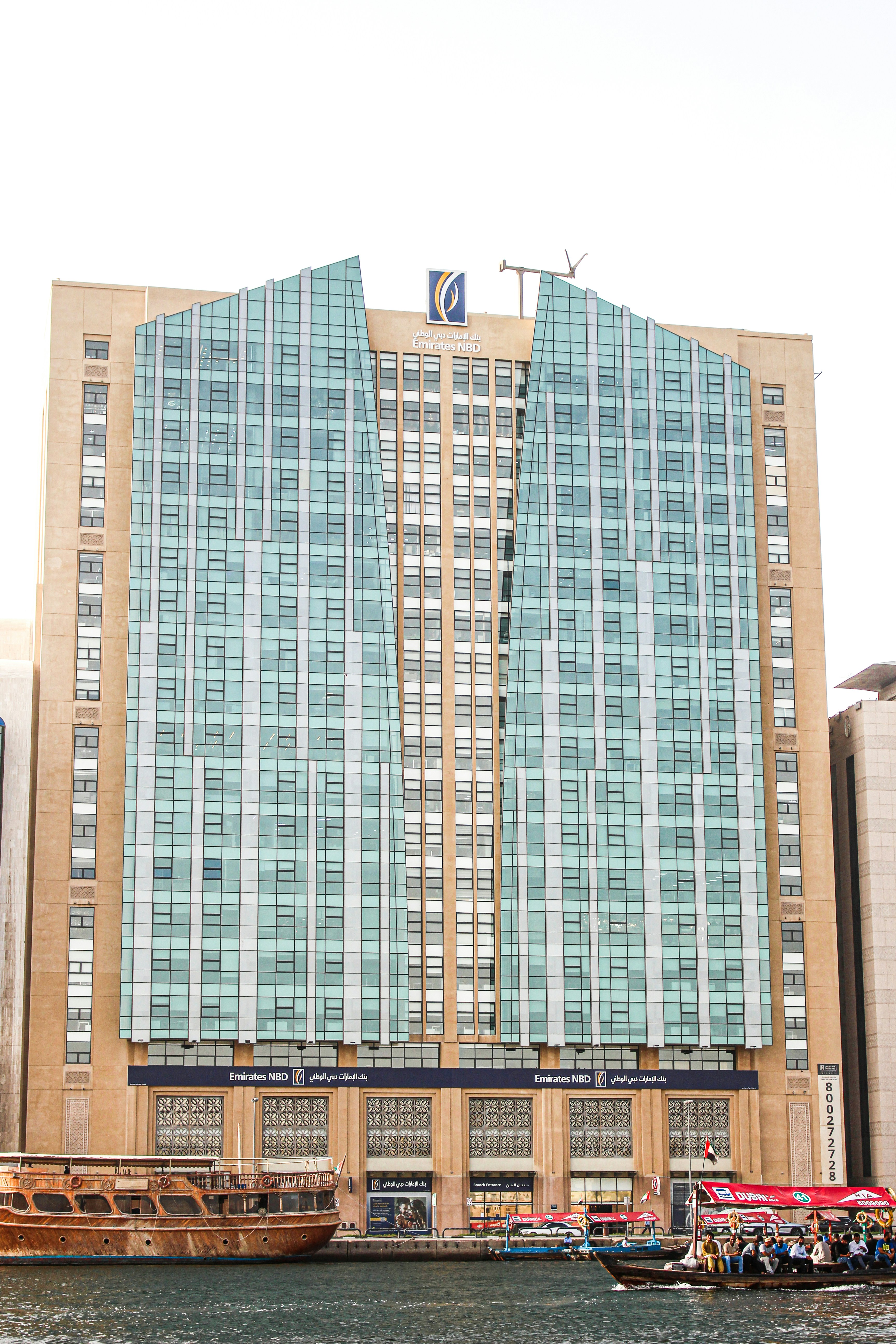
Introduction to Jebel Ali Free Zone
The Jebel Ali Free Zone Authority, commonly referred to as JAFZA, serves as a pivotal hub for businesses seeking strategic advantages within the Middle Eastern market. Established in 1985, it spans over 48 square kilometers and is strategically located adjacent to the Jebel Ali Port, the largest and most advanced port in the region. JAFZA not only provides access to global shipping routes but also fosters a business-friendly environment characterized by minimal regulatory barriers.
One of the significant advantages of setting up a business in Jebel Ali Free Zone is the comprehensive support for multiple sectors including manufacturing, logistics, technology, and retail. The free zone hosts more than 7,500 companies, ranging from multinational corporations to small and medium-sized enterprises (SMEs), making it an attractive destination for various industries. This diversity bolsters innovation and creates a collaborative ecosystem, benefiting all businesses operating within the zone.
The benefits of establishing a business in Jebel Ali Free Zone are manifold. Companies enjoy 100% foreign ownership, tax exemptions on corporate profits, and the elimination of personal income taxes. These financial incentives are augmented by state-of-the-art infrastructure and a streamlined administrative process, which facilitate easy and efficient business setup in Jebel Ali Free Zone. Furthermore, businesses in JAFZA have the advantage of quick access to markets across the Middle East, Africa, and Asia, enhancing their competitive edge.
In conclusion, Jebel Ali Free Zone stands out as a premier location for business setup thanks to its strategic position, robust infrastructure, and favorable operating conditions, making it an ideal choice for entrepreneurs and established enterprises alike looking to expand their presence in the region.
Benefits of Setting Up in Jebel Ali Free Zone
Setting up a business in Jebel Ali Free Zone (JAFZA) provides companies with a multitude of advantages important for encouraging growth and profitability in today’s competitive markets. One of the most significant benefits is the allowance for 100% foreign ownership of a business. This policy enables investors to retain complete control over their operations without the need for a local partner, thereby strengthening the prospects for global entrepreneurship.
Furthermore, businesses in Jebel Ali Free Zone enjoy numerous tax incentives. The free zone offers a zero percent corporate tax rate and exemptions from customs duties, which significantly lower operational costs. These financial advantages facilitate re-investment back into the company, making JAFZA an attractive location for sustaining long-term business strategies.
Another key benefit of setting up in Jebel Ali Free Zone is its strategic location. Positioned near the Jebel Ali Port and Dubai International Airport, the free zone boasts exceptional logistics capabilities which are essential for businesses involved in international trade. The proximity to these major transport hubs allows for the seamless movement of goods, thus optimizing supply chains and reducing lead times. With access to a diverse market of over 2 billion consumers within a four-hour flight radius, companies based in JAFZA can effectively expand their reach and tap into lucrative global markets.
Moreover, Jebel Ali Free Zone is equipped with comprehensive support services and infrastructure that cater to various business needs. From state-of-the-art logistics facilities to flexible office spaces, JAFZA fosters a conducive environment for businesses to flourish. The combination of these benefits ultimately contributes to the ease of doing business and enhances overall operational efficiency, making Jebel Ali Free Zone an ideal destination for entrepreneurs looking to establish a strong foothold in the region.
Types of Business Activities Allowed
The Jebel Ali Free Zone Authority (JAFZA) provides a dynamic environment for various business activities. Entrepreneurs can explore a multitude of options ranging from industrial and trading operations to service-related functions. This flexibility attracts a wide array of businesses, contributing significantly to the free zone’s economic landscape.
Among the principal classifications of activities are industrial operations, which encompass manufacturing, assembly, and processing. JAFZA is strategically positioned to facilitate such activities due to its proximity to the Port of Jebel Ali and the Al Maktoum International Airport, making logistics and distribution seamless. Businesses in this category must comply with specific regulations regarding production methods and reporting protocols to ensure operational efficiency.
Trading activities represent another vital pillar in the range of permitted business ventures. This includes import, export, and re-export practices, which are paramount for the free zone’s economy. Investors in trading can operate within various sectors such as electronics, textiles, and consumer goods. However, it is essential to note that businesses engaging in trading must adhere to import-export regulations and may require specific licenses based on the types of goods they intend to deal with.
Service-related activities, which cover areas such as consultancy, management, and IT services, are also permitted under the business setup in Jebel Ali Free Zone. These services contribute to enhancing the overall business ecosystem and often support industrial and trading businesses. Companies operating in this category must ensure they obtain the relevant approvals and meet licensing conditions set forth by JAFZA.
Each business activity type in JAFZA comes with its own set of restrictions and requirements. Therefore, it is advisable for prospective entrepreneurs to conduct thorough research and consult with business advisors to navigate the regulatory landscape effectively.
Eligibility Criteria for Business Setup
Establishing a business in Jebel Ali Free Zone offers numerous advantages, particularly for foreign investors. However, there are specific eligibility criteria that one must meet in order to successfully navigate the business setup process.
First and foremost, foreign investors must ensure compliance with the legal requirements established by the Jebel Ali Free Zone Authority. A key aspect of these requirements is obtaining a business license, which typically depends on the business activities planned. Investors should monitor local regulations as these can change, affecting the eligibility of certain types of businesses.
In addition to legal compliance, several documents are essential for the business setup in Jebel Ali Free Zone. These include a copy of the passport of the investors, a detailed business plan outlining the intended operations, and a tenancy agreement for the office space to be leased within the free zone. Investors should also prepare to submit a no-objection certificate (NOC) if they are already working in the UAE under a different visa status.
Moreso, financial prerequisites play a critical role in the business setup process. While the specific amount varies according to the type and scale of the business, investors are expected to deposit a minimum capital requirement, which must be maintained in a corporate bank account once the business is successfully established. This capital serves as a guarantee of the business’s transactional capability and sustainability.
Lastly, investors should consider the benefit of engaging a local business consultant familiar with the process and regulations specific to the Jebel Ali Free Zone. Their guidance can help clarify eligibility criteria and expedite the overall business setup in Jebel Ali Free Zone, allowing investors to focus on their core business objectives.
Steps to Register a Business in Jebel Ali Free Zone
Establishing a business presence in the Jebel Ali Free Zone Authority (JAFZA) can be a pivotal step for entrepreneurs seeking to capitalize on the strategic advantages offered by this free trade zone. The registration process involves several key steps, each designed to ensure compliance with local regulations while facilitating a seamless setup experience.
First, it is imperative to decide on the type of legal structure for your business. The options typically include a sole proprietorship, limited liability company (LLC), or a branch of a foreign company. This decision will influence various aspects of your registration, from the amount of capital required to the management structure. The initial legal consultation can take approximately 1-2 days.
Next, you must reserve a company name, which needs to adhere to specific guidelines set by the Department of Economic Development. The name reservation typically takes about one day and may involve a nominal fee. After securing a name, the next stage is to prepare the necessary documentation, including the Memorandum of Association and Articles of Association, which outline the business activities and internal regulations.
Submitting these documents to JAFZA is the subsequent step, which often includes the need for obtaining initial approvals for your business activities. This procedure may take up to five working days and typically incurs various fees depending on the nature of the business license sought. Once approved, you will receive a business license, allowing you to proceed with company incorporation.
The final phase of the business setup in Jebel Ali Free Zone is to register with the relevant governmental authorities and obtain the necessary permits. The entire registration process, from name reservation to full incorporation, can range from two to four weeks, subject to the complexity of the business model. Costs associated with registration can vary but generally include license fees, document processing fees, and other administrative costs.
Cost of Setting Up a Business in Jebel Ali Free Zone
Establishing a business in Jebel Ali Free Zone (JAFZA) presents various financial considerations that entrepreneurs need to be aware of to ensure a successful venture. The cost associated with a business setup in Jebel Ali Free Zone encompasses several components, primarily including licenses, permits, office space, and other operational expenses.
Firstly, obtaining the necessary licenses is a key expenditure. In JAFZA, businesses are required to secure a trade license appropriate for their operations, which can range significantly in cost depending on the nature of the business. For instance, a general trading license may have different fees compared to specialized licenses required for certain industries. Additionally, investors should consider the annual renewal fees for these licenses, as they form a recurring cost impacting the overall budget.
In addition to licenses, permits are often required, particularly for specific activities such as import and export. The fees associated with these permits can vary based on the operational scope and may involve both initial fees and periodic renewal costs. Therefore, newcomers should adequately prepare for these financial obligations in their initial budget forecast.
Office space is another significant factor in the costs of setting up a business in Jebel Ali Free Zone. The requirements for physical premises can vary widely; options range from shared offices to fully customized independent facilities. The price for office spaces can be influenced by location, size, and the level of facilities provided. Choosing the right office type that aligns with your business operations is pivotal to managing costs effectively.
Moreover, it is essential to consider other operational expenses such as utility costs, insurance, staffing, and logistics. These expenses, while sometimes overlooked, can accumulate over time; thus, a detailed financial plan that accounts for these elements is crucial for maintaining cash flow and ensuring sustainable operations.
Operational Considerations in Jebel Ali Free Zone
Setting up a business in Jebel Ali Free Zone (JAFZA) requires an understanding of various operational considerations that can significantly influence the success of a company. One of the primary aspects to consider is the availability of commercial space. JAFZA offers a diverse range of options, including warehouses, offices, and industrial spaces, designed to accommodate different business sizes and requirements. This flexibility enables enterprises to select a location that aligns with their operational needs, ensuring efficient business conduct.
Furthermore, understanding labor laws within the free zone is crucial for compliance and effective workforce management. JAFZA regulations are generally favorable, with provisions for recruiting a skilled labor force from both local and international markets. Companies can benefit from policies that encourage the hiring of expatriates, which can be advantageous in maintaining a diverse and skilled workforce. Knowledge of local employment laws and regulations is essential for avoiding potential complications in the hiring process.
Access to local resources is another operational benefit within JAFZA. Businesses in the free zone enjoy proximity to essential services, such as banking, insurance, and other support services critical for day-to-day operations. Moreover, JAFZA’s strategic location facilitates efficient logistics and supply chain management, benefiting trade activities. The proximity to major transport hubs, including the Jebel Ali Port and the Al Maktoum International Airport, enhances the movement of goods in and out of the region, making it a key logistics hub.
Additionally, the region’s advanced infrastructure supports the operational needs of businesses. Well-developed roads, utilities, and communication networks play a pivotal role in ensuring a seamless business setup in Jebel Ali Free Zone, providing operational efficiency that companies can leverage for growth.
Tax Regulations and Compliance
The Jebel Ali Free Zone Authority (JAFZA) provides a highly competitive and favorable tax environment for businesses looking to establish their operations in the region. One of the most attractive features of setting up a business in Jebel Ali Free Zone is the absence of corporate tax. Businesses registered in JAFZA are exempt from corporate tax for a period of up to 50 years, a policy that is renewable upon request. This zero corporate tax regime serves as a significant incentive for companies to choose JAFZA as their preferred business hub.
Another important aspect of the tax regulations in JAFZA is the Value Added Tax (VAT) implications. While businesses in the free zone benefit from a generally attractive tax regime, they are still subject to the 5% VAT that was implemented across the UAE. However, companies operating within JAFZA can often recover VAT on their related business expenses, making compliance easier and more cost-effective. It is essential for businesses to maintain accurate records to ensure they can reclaim VAT where applicable.
Moreover, compliance with regulatory standards is critical for maintaining the operational status of a business in Jebel Ali Free Zone. Businesses must adhere to specific licensing requirements, audit obligations, and other statutory regulations imposed by JAFZA. Regular reporting and compliance with international standards regarding anti-money laundering (AML) and counter-terrorism financing (CTF) may also apply, enhancing the credibility of operations within the free zone.
It is crucial for businesses considering a setup in Jebel Ali Free Zone to stay updated on tax regulations and compliance requirements to navigate the legal landscape effectively. Consulting with local experts in taxation and legal matters can further assist companies in understanding their obligations, ensuring a seamless establishment and operation in this dynamic environment.
Conclusion and Future Outlook
In conclusion, the business setup in Jebel Ali Free Zone offers a myriad of opportunities for both local and international investors. The unique benefits of operating within JAFZA, including 100% foreign ownership, no corporate tax, and straightforward repatriation of profits, make it a highly attractive location for establishing a business. Investors can take advantage of its strategic geographical position, which allows for easy access to global markets, particularly in the Middle East, Africa, and Asia.
As we look toward the future, Jabel Ali Free Zone is poised for significant growth, particularly in sectors such as logistics, e-commerce, and advanced manufacturing. The UAE government’s continued investment in infrastructure and technology will likely encourage the development of innovative business models and services. Additionally, the region’s commitment to becoming a hub for sustainability and green technologies will provide new avenues for investment, aligning with global trends towards environmental responsibility.
New investors considering business setup in Jebel Ali Free Zone should remain proactive in understanding market dynamics and industry trends. Building strong networks within the community can offer valuable insights into potential collaborations and alliances. As JAFZA continues to evolve, businesses that are adaptable and innovative will be best positioned to thrive in this competitive landscape.
In essence, the future of business in Jebel Ali Free Zone appears bright, with ample opportunities for growth and expansion. As the free zone attracts a diverse range of companies and fosters an entrepreneurial spirit, it promises to remain a cornerstone of the UAE’s economic landscape for years to come.